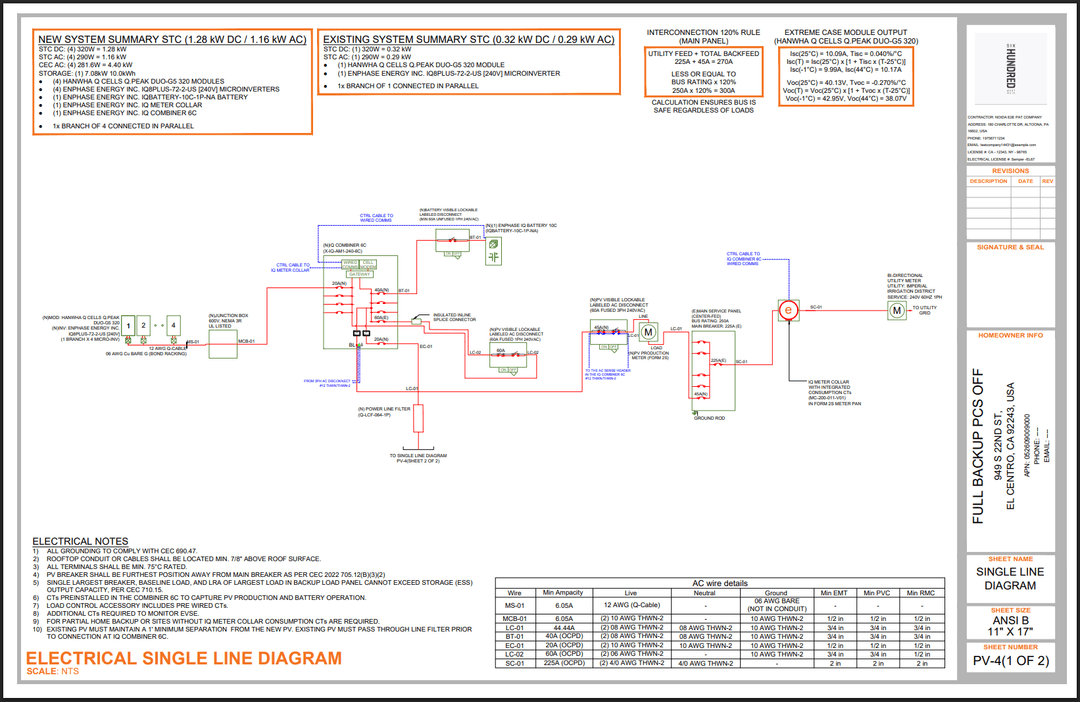
Choosing the right inverter is one of the most important decisions in solar design. It affects how your system performs day-to-day, how safe it is, and even how easy it will be to install and maintain. Think of the inverter as the heart of your PV system—it keeps everything running smoothly. Let’s break down the options so you can make confident choices for every project.
What are microinverters and string inverters?
What is a microinverter?
A microinverter is a small device mounted on each solar panel that converts DC power to AC at the module level. This means every panel operates independently. If one panel is shaded or underperforms, the others keep producing at full capacity. Microinverters also give you panel-level monitoring, so you can see exactly how each module is performing. Plus, they make rapid shutdown compliance simple because the conversion happens at the panel itself.
What is a string inverter?
A string inverter converts DC from a series of panels called a “string” into AC. Panels are wired together, and the inverter manages power for the entire group. Modern string inverters are smarter than ever, with multiple MPPT channels that allow you to handle different roof orientations without losing efficiency.
Microinverter vs string inverter: which one is better?
Performance comparison
Microinverters are unbeatable on roofs with shading or multiple orientations because each panel has its own MPPT. String inverters, on the other hand, perform exceptionally well on simple, uniform layouts where shading isn’t an issue.
Reliability comparison
Microinverters reduce single points of failure—if one fails, the rest of the system keeps running. String inverters are easier to service and perform maintenance because they’re usually installed at ground level.
Cost comparison
Microinverters have a higher initial cost, but they can deliver better energy yield in challenging layouts. String inverters are generally more affordable and make sense for straightforward and simple installations.
Ease of installation and system design
Microinverters simplify wiring and prevent high-voltage DC runs, which can make installation safer and easier. String inverters require fewer devices overall, which means less hardware to manage and quicker maintenance.
How microinverters compare to central inverters and power optimizers
Microinverter vs central inverter
Central inverters are designed for large-scale projects. They handle massive amounts of power but require more DC wiring and offer less MPPT flexibility. Microinverters are better for small to medium systems where design complexity and shading are the main concerns.
Power optimizers vs microinverters
Power optimizers also provide module-level MPPT but keep DC power centralized. They’re a good alternative for both residential and commercial if you want panel-level performance without converting to AC on the roof.
Should you choose a single-phase or three-phase solar inverter?
Residential use cases
Single-phase inverters are the go-to for most homes because residential electrical service is usually single-phase. They’re compact, easy to install, and designed for smaller system sizes. If you’re working on a typical rooftop system, a single-phase inverter will integrate seamlessly with the home’s wiring.
Commercial and industrial use cases
Three-phase inverters are built for larger systems and sites with three-phase service, like commercial buildings and factories. They handle higher power loads efficiently, reduce transmission losses, and provide better voltage stability. For big projects, three-phase is essential for balancing loads and meeting grid requirements.
How to choose the right inverter for an effortless PV system design
Here’s a simple step-by-step approach:
Step 1: Assess the roof layout and shading
If the roof has multiple orientations or shading from trees or chimneys, microinverters or power optimizers will help maximize energy production. For simple, unshaded roofs, string inverters are usually sufficient.
Step 2: Match MPPT capability to the design
More MPPT channels mean better handling of different roof angles. Microinverters give you MPPT per module, while string inverters offer multiple MPPTs for groups of panels.
Step 3: Align inverter type with electrical service
Use single-phase inverters for homes and three-phase for commercial or industrial sites. This ensures compatibility and avoids costly rewiring.
Step 4: Check compliance requirements
Microinverters and optimizers often meet rapid shutdown requirements without extra hardware. String inverters may need additional devices depending on local regulations.
Step 5: Balance cost with long-term performance
Microinverters cost more initially but can improve yield and reduce mismatch losses. String inverters are more affordable and easier to maintain for simple layouts.
Making inverter selection simple with Solargraf
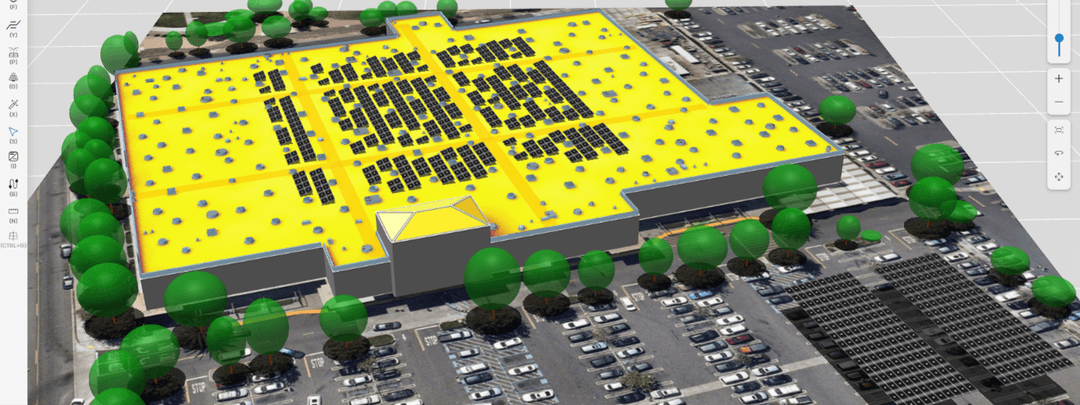
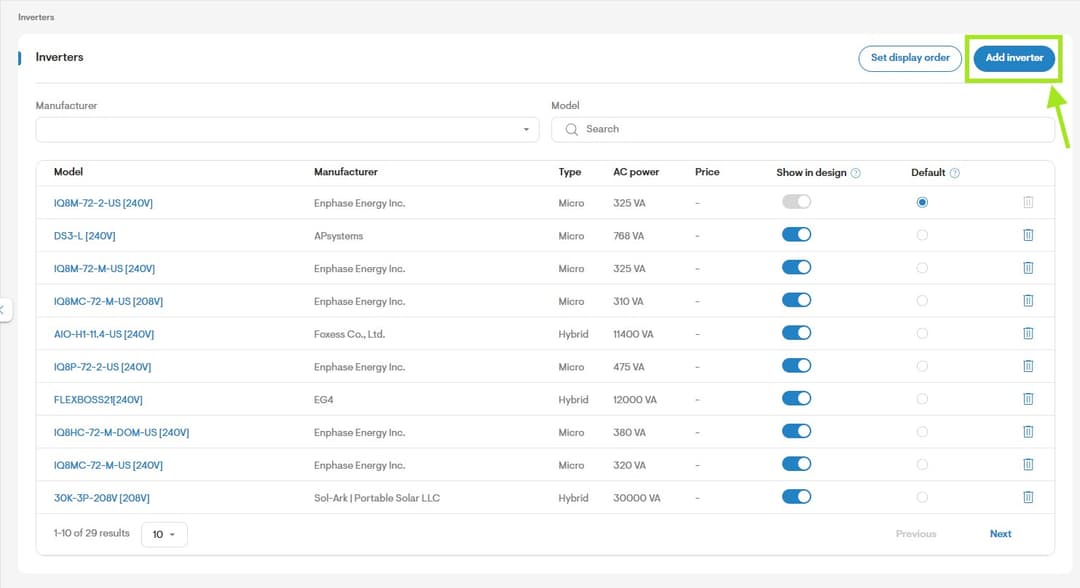
At Solargraf, we know that choosing the right inverter can feel complicated when you’re balancing roof layouts, shading, and compliance requirements. That’s why our platform is designed to simplify this process. When you create a design in Solargraf, you can quickly compare inverter options, see how they impact performance, and ensure your system meets code compliance all in one place, making your workflow faster, smarter, and stress-free. Whether you prefer microinverters or string inverters, Solargraf supports adding both in your designs for complete flexibility. Plus, the auto stringing feature takes the guesswork out of string configuration, saving you time and reducing errors.
Example: Same Roof, Two Designs
Here's how Solargraf lets you evaluate both options on a single project:
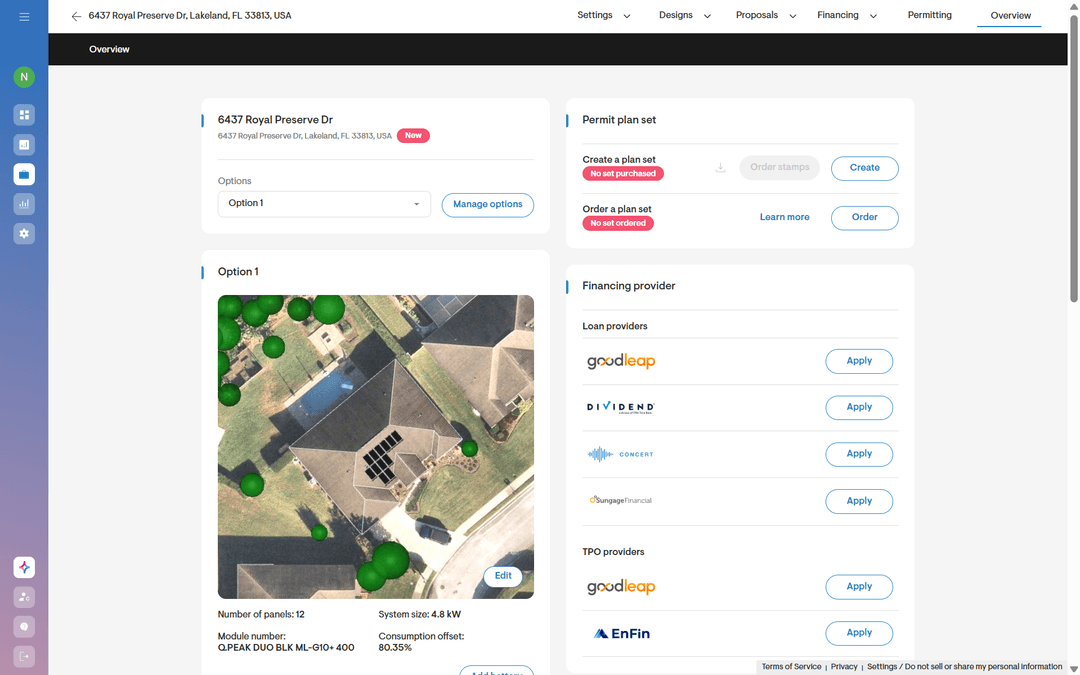
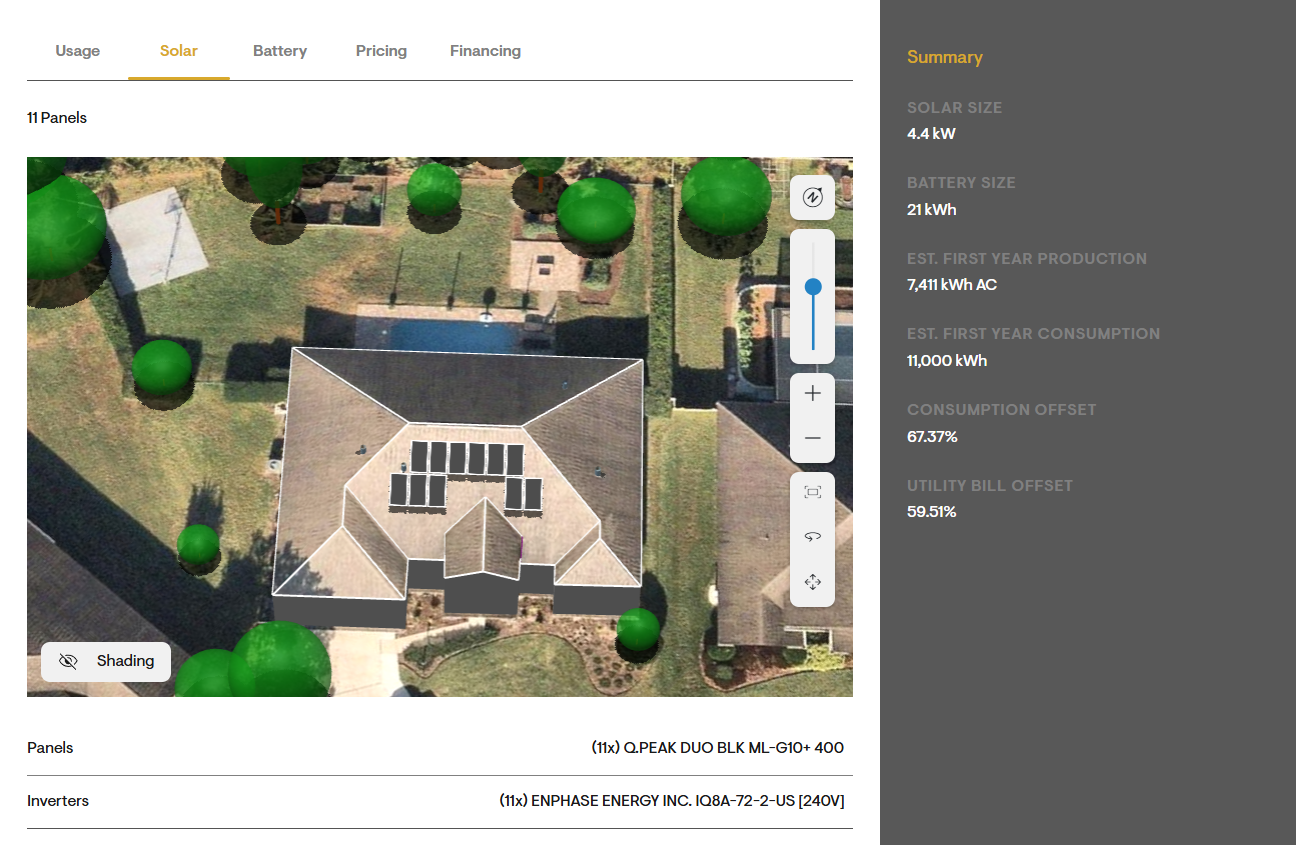
Step 1: Design with microinverters
Create your first design using microinverters. Solargraf calculates production details, accounting for individual shading and orientation on every module.
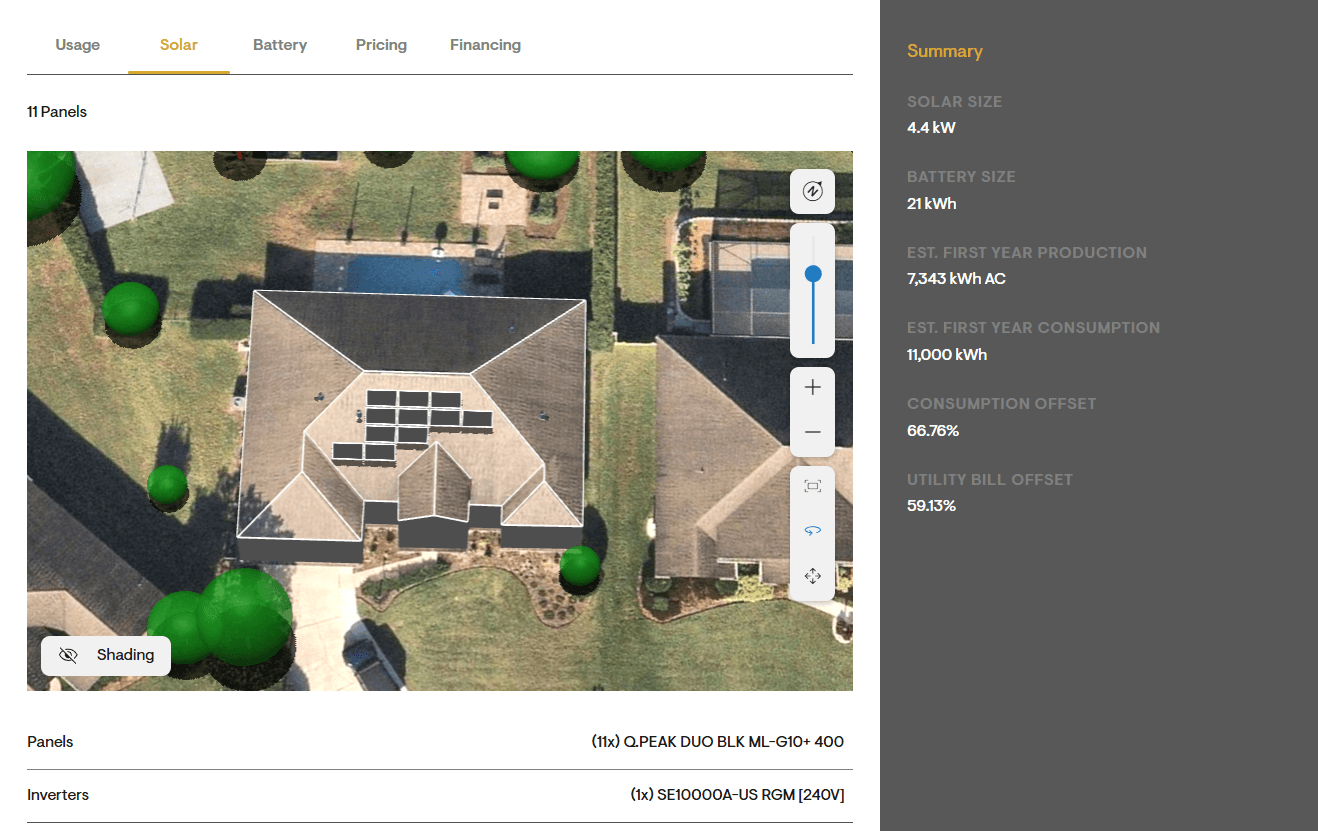
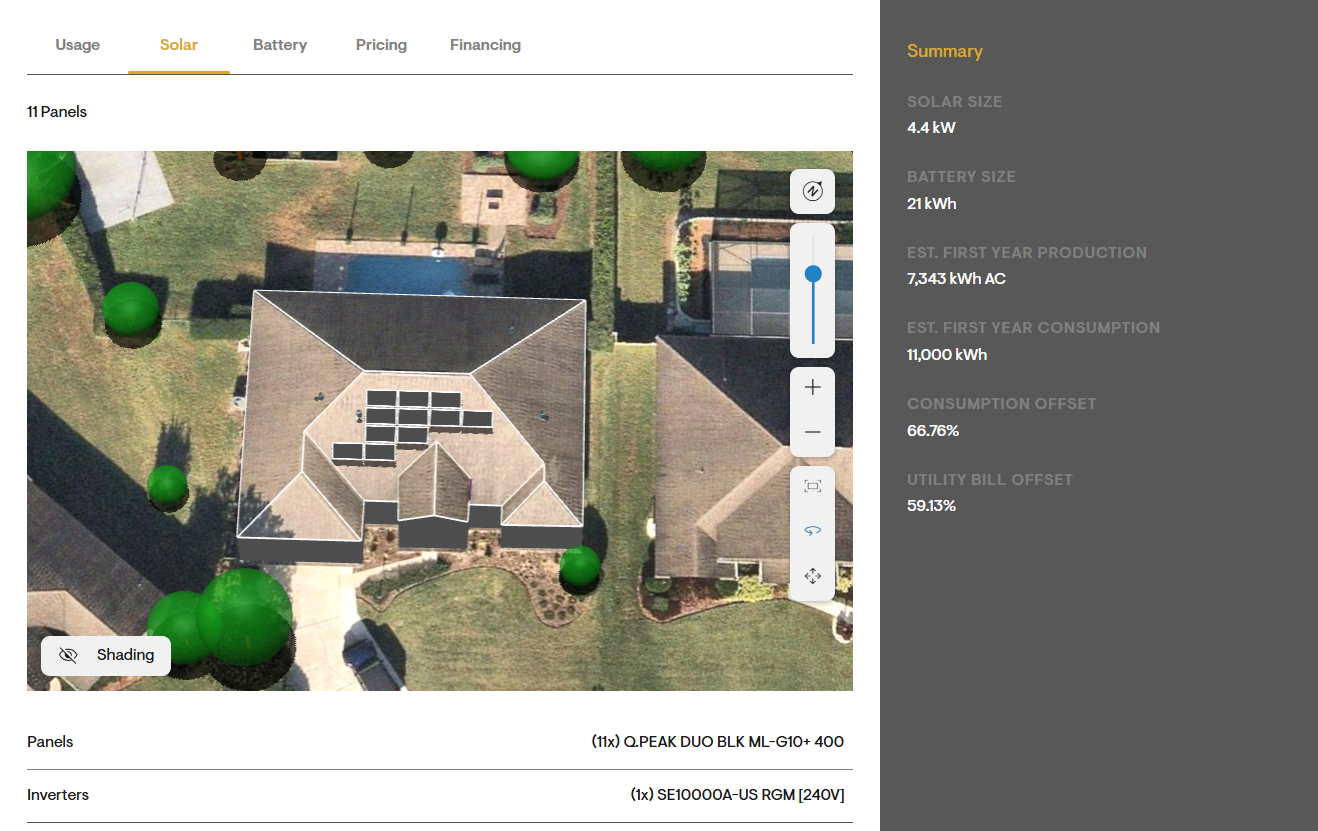
Step 2: Design with string inverter
Duplicate the project and swap to a string inverter configuration. Solargraf's auto stringing feature automatically groups panels into optimized strings based on orientation and tilt.
Step 3: Compare performance
With both designs saved, compare the production estimates, system efficiency, and offset percentages side by side.
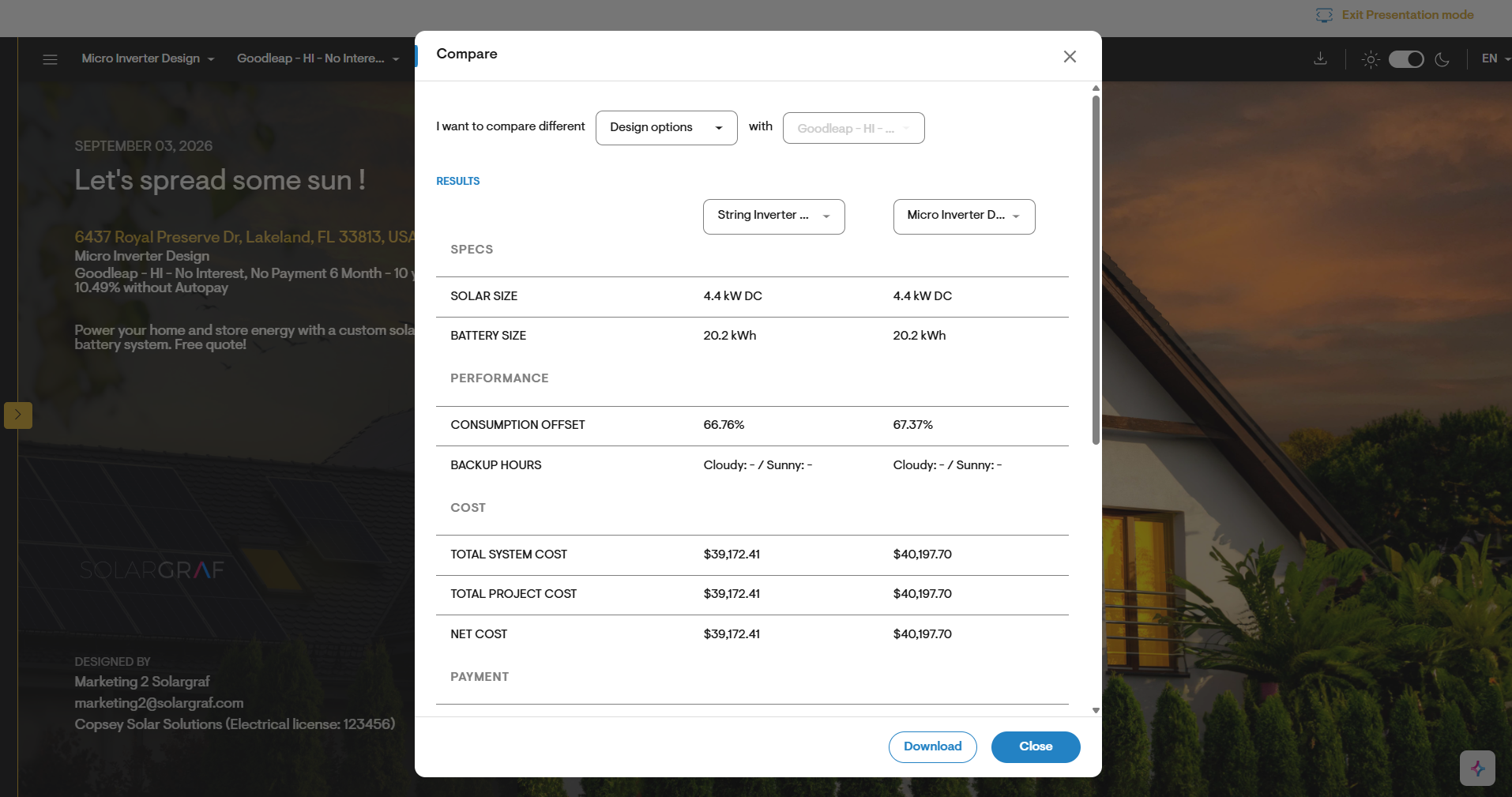
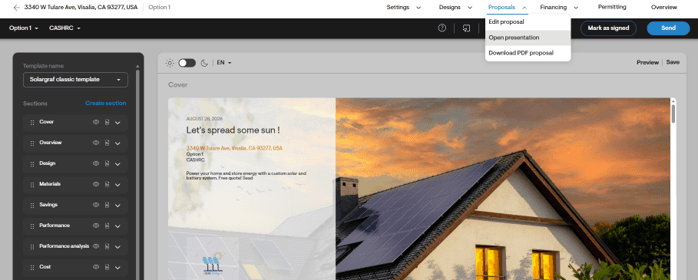
This comparison takes minutes, not hours — and gives your customer a clear, data-backed picture of why one option outperforms the other on their specific roof. Whether you prefer microinverters or string inverters, Solargraf supports both in your designs for complete flexibility. Plus, the auto stringing feature takes the guesswork out of string configuration, saving you time and reducing errors.
Conclusion
When you evaluate the full picture — performance, safety, monitoring, maintenance, and long-term reliability — microinverters come out ahead in virtually every category. They produce more energy on complex roofs, eliminate single points of failure, provide panel-level monitoring and rapid shutdown compliance out of the box, and simplify future system expansions. For the vast majority of residential and light commercial projects, microinverters are simply the better technology.
That said, every project is different, and string inverters still have a role in specific scenarios — particularly large, unshaded commercial arrays where cost-per-watt is the primary driver. The key is making an informed decision based on actual site performance data, not assumptions.
Solargraf gives you the tools to do exactly that. Design with microinverters, design with string inverters, or compare both on the same project — and let the production numbers make the case. When your customer can see the performance difference on their own roof, the right choice becomes obvious.
FAQs
1. What is the difference between microinverters and string inverters?
Microinverters convert DC to AC at each individual panel, so every module operates independently — shading or underperformance on one panel doesn't affect the others. String inverters convert DC to AC for a whole series of panels at once, so panels in a string share performance characteristics.
2. What are the main types of solar inverters used today?
Microinverters, string inverters, central inverters, and power optimizers (which pair with a string inverter to add module-level MPPT while keeping the conversion to AC centralized).
3. How do transformerless inverters differ from transformer-based inverters?
Transformer-based inverters use a transformer for galvanic isolation between DC and AC, making them heavier/less efficient but often required by certain grid codes; transformerless inverters skip the transformer for higher efficiency and lower weight/cost but need other isolation safeguards.
4. Do I need a single-phase or three-phase solar inverter for my installation?
Single-phase for most residential installs, since home electrical service is typically single-phase. Three-phase for commercial/industrial sites with three-phase service and higher power loads.
Want to know more?
Join our upcoming webinar to dive deeper into our enhancements.
Schedule a demo for a personalized walkthrough on understanding how Solargraf can add value to your business.
Thank you for being part of our growing community; we can’t wait to show you what’s next.