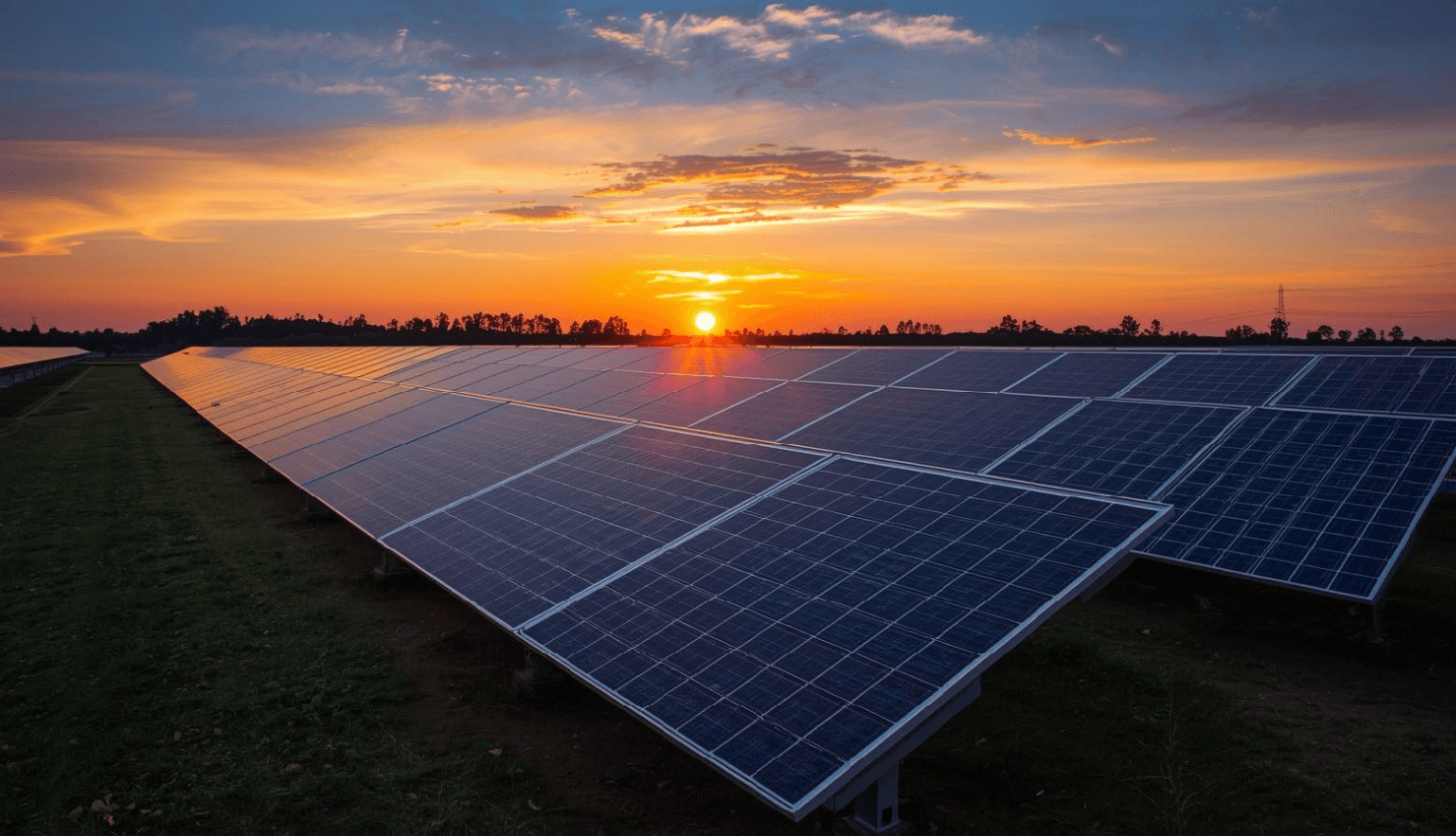
The solar industry in the U.S. is entering a new era. With the Section 25D Residential Clean Energy Tax Credit officially ending after December 31, 2025, many solar companies are asking: Is solar business still profitable? The answer is yes, but it requires strategic adaptation. Let’s explore what this change means and how solar businesses can thrive in 2026 and beyond.
What Is Section 25D and why was it so important?
Section 25D of the Internal Revenue Code provided homeowners with a 30% federal tax credit on the cost of residential solar systems, including batteries and inverters. For a $25,000 system, that meant $7,500 in savings—a major driver of residential solar adoption for two decades. This incentive helped millions of families go solar and fueled the growth of thousands of solar and installation companies.
How section 25D is different from Section 48
Section 25D: Applied to individuals purchasing solar for their homes. Homeowners get 30% tax credit for a new PV system.
Section 48/48E: Applies to businesses and third-party ownership (TPO) models like leases and PPAs. Offers 30% credit for commercial projects and residential systems owned by installers or financiers. Bonus credits for domestic content and energy communities can push this higher.
What happens after section 25D is removed?
Immediate changes for residential solar buyers
As of the end of 2025, homeowners installing solar systems will no longer be able to claim the 30% residential solar tax credit under Section 25D. That removal means the effective upfront cost of installing solar increases, which will likely dampen demand among cash or loan-paying residential customers while the TPO financing options will still keep them going.
Is solar business still profitable after 25D ends?
Solar remains a fundamentally strong business driven by structural trends: rising electricity prices, falling hardware costs, and corporate and policy decarbonization goals. Profitability shifts from “selling the tax credit” to selling energy economics, reliability, and bundled solutions, which favors well‑run, diversified companies over pure-tax-credit sales shops.
Solar business profitability
Despite the end of 25D, solar remains viable. Now profitability depends on business model, value-added services, and diversification to storage, and financing-based offerings like TPO and prepaid leases.
How do solar companies make money in 2025 and beyond?
Solar companies that adapt and diversify can still profit even more sustainably than before. Key revenue streams and models include:
-
Financing & Third-Party Ownership (TPO):
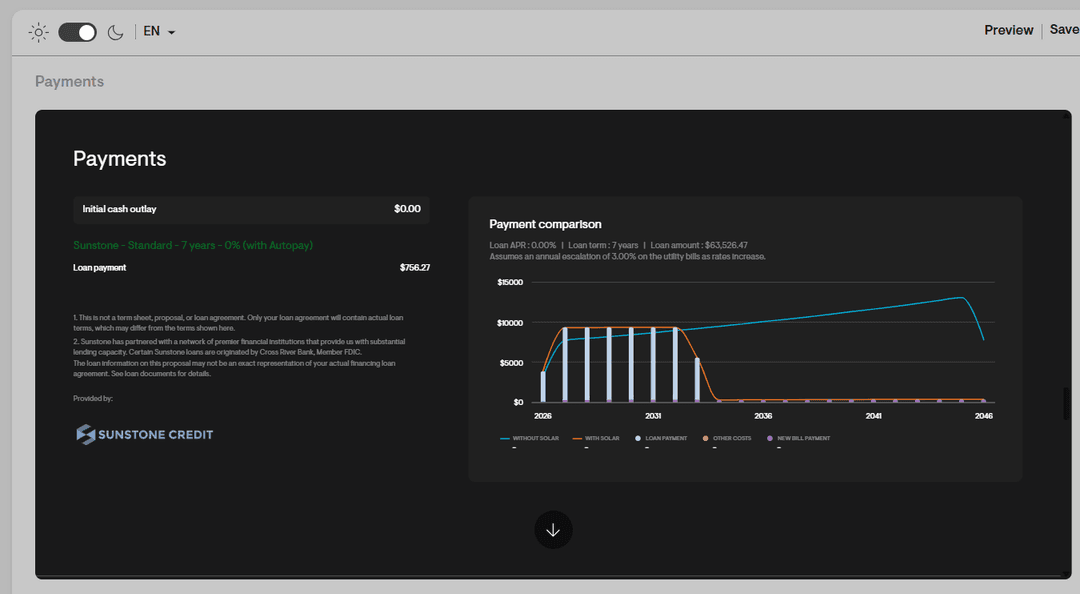
With residential credits gone, TPO/leasing models under Section 48E become more attractive. Installers or financiers that offer PPAs or leases can still deliver tax-credit benefits to system owners and pass savings to customers.
-
Upsell storage systems:
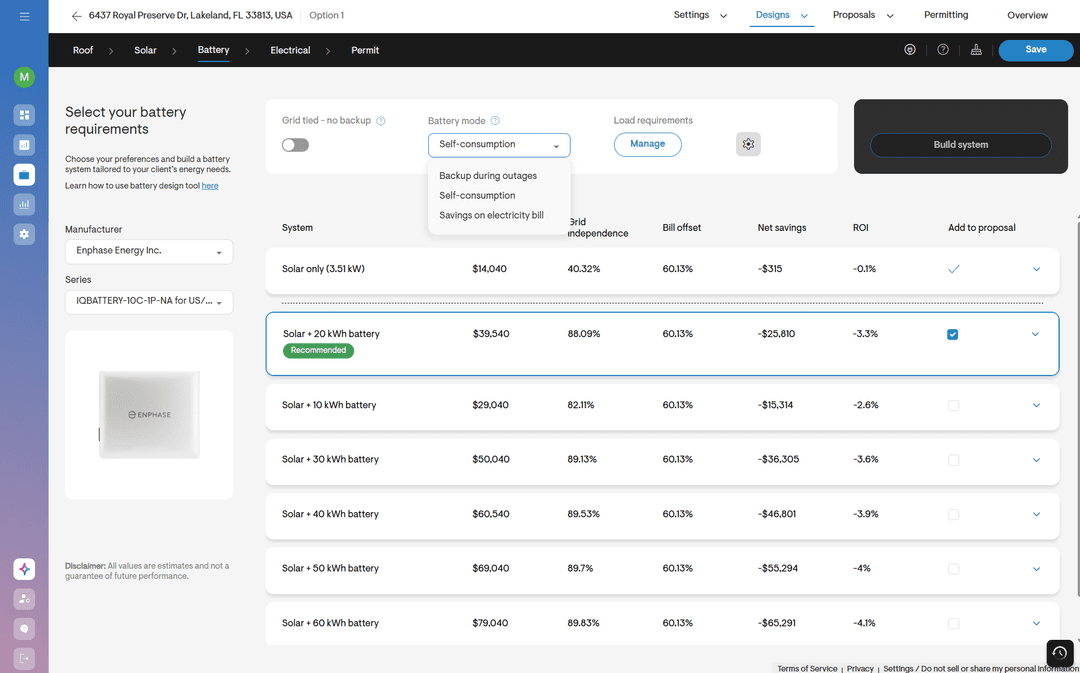
As energy storage gains importance — for backup power or demand shifting — bundling batteries with solar or offering standalone battery-only systems remains a lucrative upsell. Also qualifies under commercial credit.
-
Operations & maintenance (O&M), monitoring, and service contracts:
Post-installation services, maintenance, monitoring subscriptions, and extended warranty or battery maintenance plans provide recurring revenue.
-
VPPs:
Participating in Virtual Power Plant (VPP) programs can significantly improve system economics post–25D, enabling homeowners to earn revenue by contributing stored energy back to the grid. Additionally, installers can focus on commercial, community solar, EV charging projects to grow their revenue stream.
New solar business incentives after 25D
Even as 25D winds down, , section 48/48E typically providing a 30% base ITC with potential 10% adders for domestic content, and certain low‑income projects. Many projects also benefit from 100% bonus depreciation, allowing immediate expensing of most of the depreciable basis in year one and materially improving after‑tax returns.
Third-party ownership (TPO), leases, or PPAs — where system owners claim the credits — remain viable. Installers can pivot to offering these models to homeowners.
Beyond federal tools, state‑level SRECs, rebates, performance‑based incentives, and favorable net metering continue to shape project economics and can offset some of the lost value from 25D in select markets. For battery and grid‑support assets, extended timelines for storage tax credits add additional revenue layers for sophisticated developers.
How to stay profitable as a solar company post-25D
- Maximize value with TPO: Keep the tax credit alive post 25D by offering TPO financing and stay competitive.
- Reduce soft costs: Use AI and smart tools that can cut down your operational costs and increase efficiency.
- Maximize digital sales: Focus on how to win customers’ trust and close deals faster remotely.
- Tap Incentives: Combine federal, state, and utility programs for maximum savings.
- Educate customers: Highlight energy independence, long-term savings, grid services, and resilience benefits over tax credits.
Way forward for solar installers
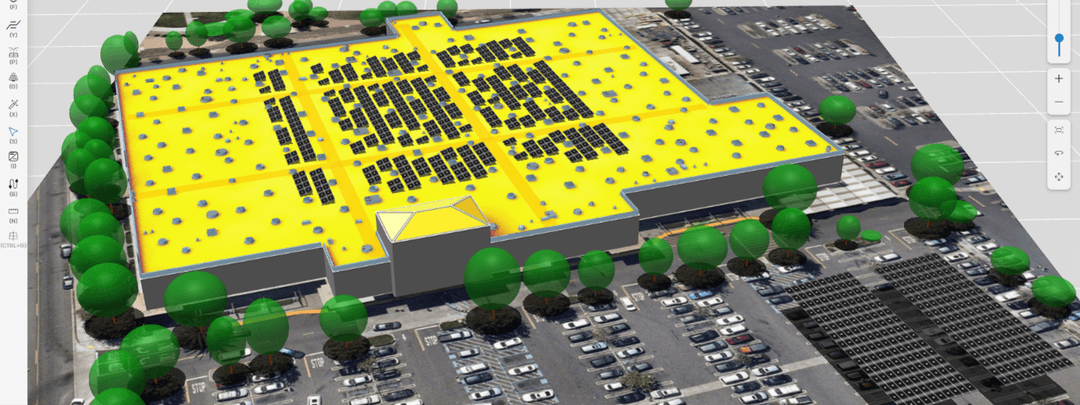
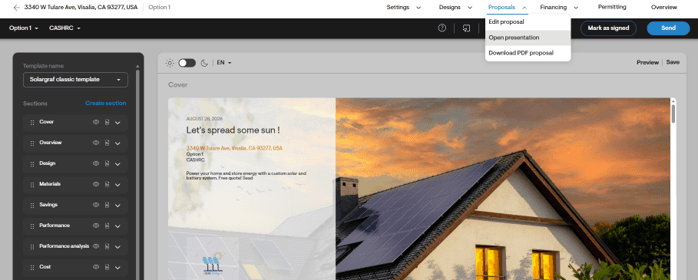
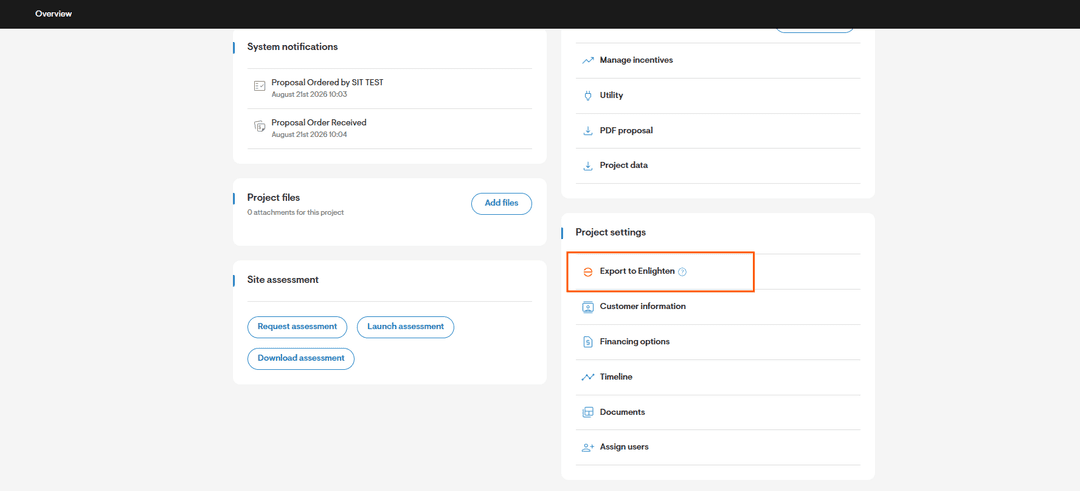
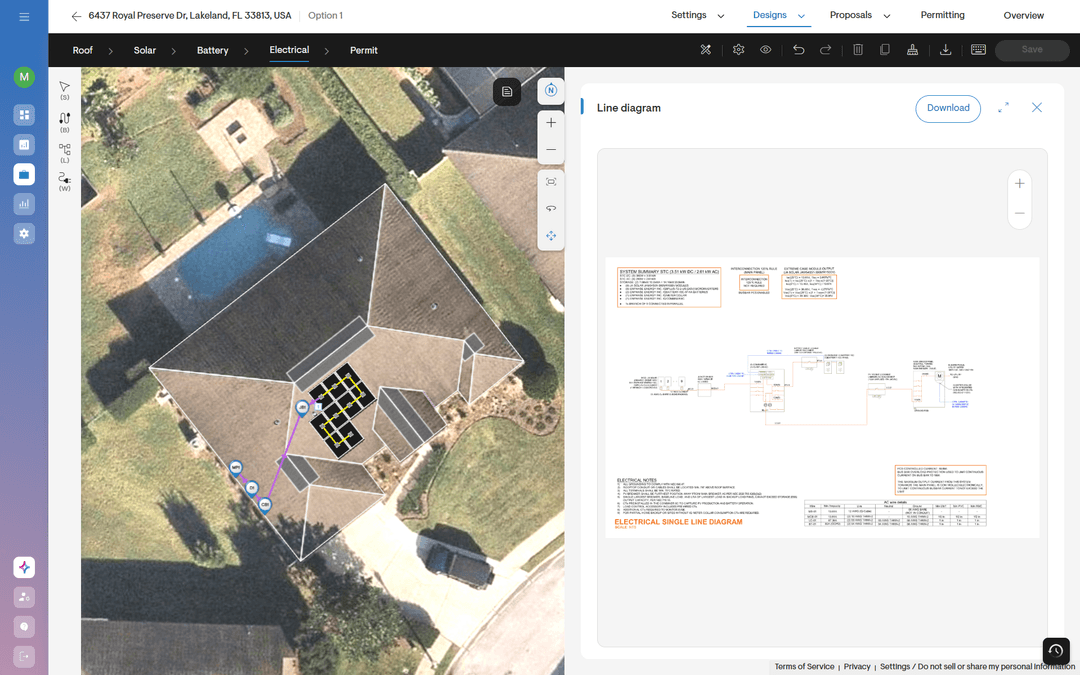
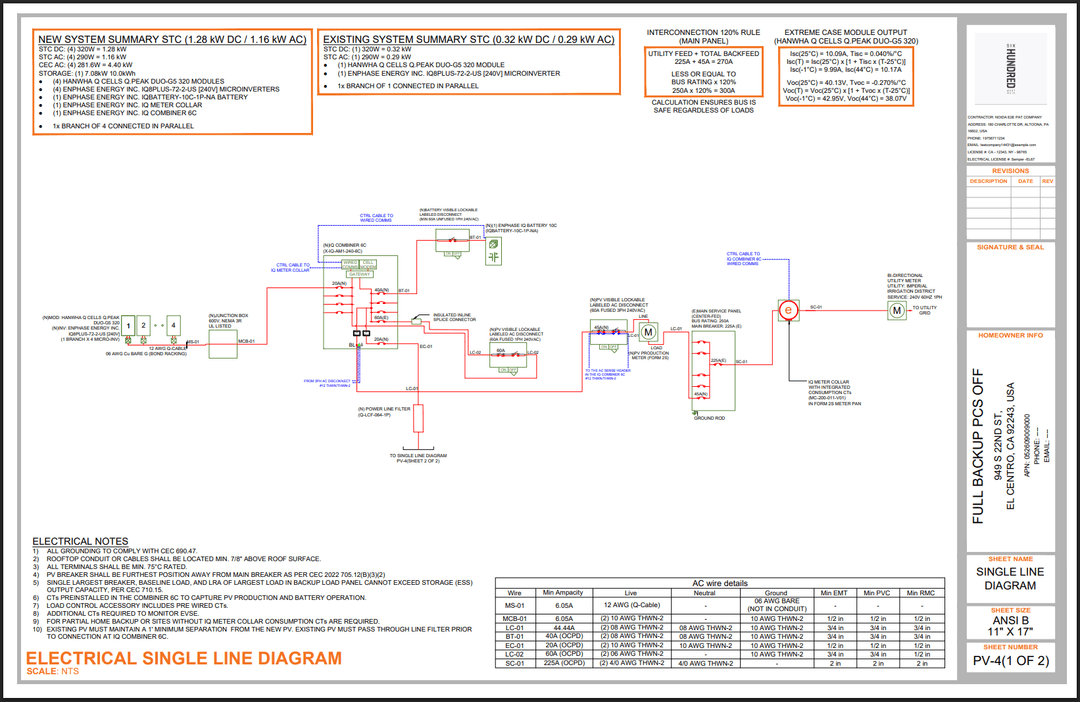
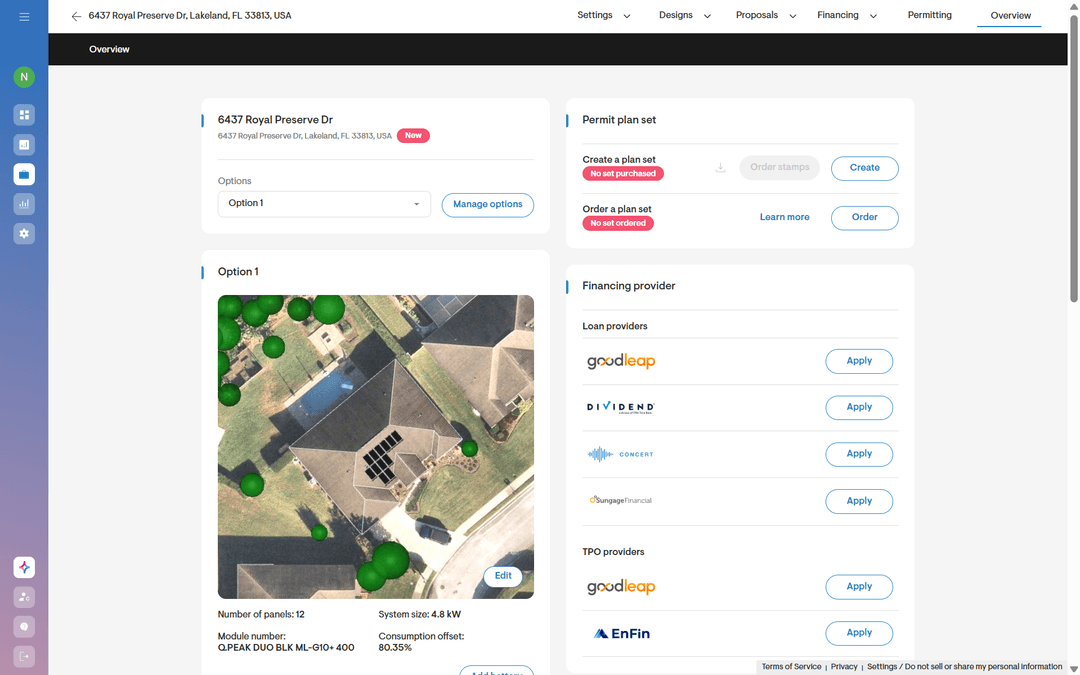
Solar installers must start using smart tech products like Solargraf, the all-in-one platform for design, proposal, and permitting. Solargraf empowers your sales team with real-time proposal editing options to close deals faster on the go. TPO financing partners like Enfin, GoodLeap, LightReach are directly integrated with Solagraf, enabling you to sell more in the new solar landscape. Solargraf also optimizes your entire solar workflow and keeps you more efficient in new solar landscape.
Solargraf not only acts as a solar CRM for you but also helps you to reduce your soft cost, increase efficiency, and sell more.
Conclusion
Yes — solar business will be profitable after the end of the 25D residential tax credit, but success now demands adaptation, diversification, and smarter business models.
Companies that pivot quickly — embracing TPO, financing, storage, commercial installs, O&M, and utility-scale projects — can not only survive but thrive in the post-25D era.
For solar installers and businesses that lean into these new models, the future can be even more stable, scalable, and profitable than before.