What is C&I solar?
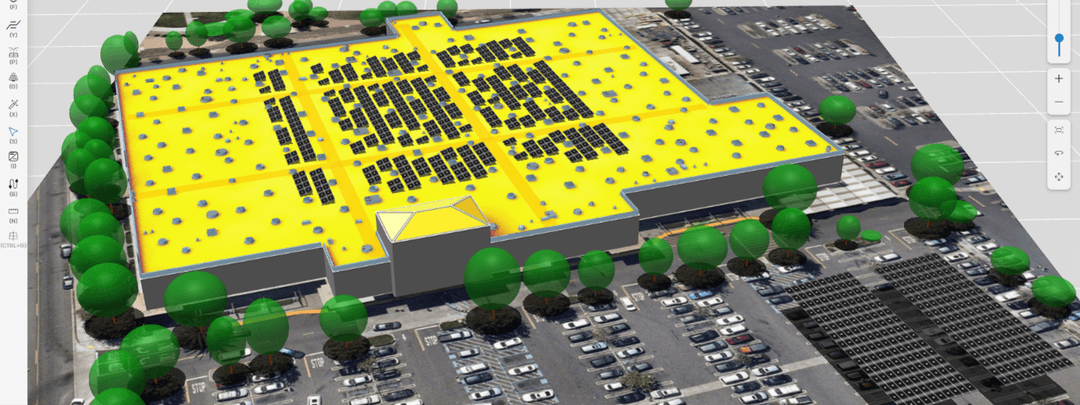
Commercial and Industrial (C&I) solar sits between residential rooftop solar and large utility-scale projects, and it's arguably the most varied segment of the solar industry. Customers range from small local businesses, large corporations, and government agencies to schools, universities, and nonprofits. Projects can be rooftop arrays or ground mounts, and system sizes span tens of kilowatts all the way into the megawatt range. Solargraf currently supports C&I system design up to 2 MW, with expansion to 5 MW underway to meet growing demand across the sector.
The scale of the opportunity
The C&I solar market has accelerated sharply in recent years. The momentum intensified in 2025 following the introduction of the One Big Beautiful Bill Act and the removal of the Section 25D residential tax credit. This gave installers further reason to diversify into C&I, where the Section 48E Clean Electricity Investment Tax Credit remains available for C&I projects placed in service through the end of 2027 (with stricter FEOC sourcing rules now in effect), and project economics are stronger than ever. The C&I segment is no longer a niche — it's where the industry's growth is headed.
Why solar installers should expand into C&I now
The momentum in solar has shifted decisively toward C&I. Here's why installers should be moving into this space today:
The post-25D economics
With the Section 25D residential credit removed, C&I projects retain the full Section 48E ITC, bonus depreciation (MACRS), and — for tax-exempt customers — direct pay under the Section 6417, all of which make C&I an increasingly strong opportunity to add to your business.
Larger project values, stronger margins
A single commercial project can equal the revenue of several residential installs. Economies of scale on labor, equipment procurement, and permitting translate to stronger margins per watt.
Repeat business and multi-site portfolios
Commercial customers often own or operate multiple facilities. One successful project frequently leads to portfolio-wide rollouts — creating a predictable, recurring pipeline that residential rarely offers.
Expanding customer base
IRA provisions have unlocked entirely new customer segments: nonprofits, schools, hospitals, tribal governments, and municipalities can now access solar economics through direct pay under section 6417, a provision that survived the 2025 OBBBA reforms intact. The addressable market has expanded dramatically — though these projects, must now also meet OBBBA's placed-in-service deadlines and FEOC component-sourcing rules to qualify.
Maturing financing structures
PPAs, PACE financing, tax credit transferability, and green bonds have made C&I solar financing more accessible and standardized than ever. Lenders are comfortable with the asset class, and deal structures are well-established.
What C&I solar projects require
Design
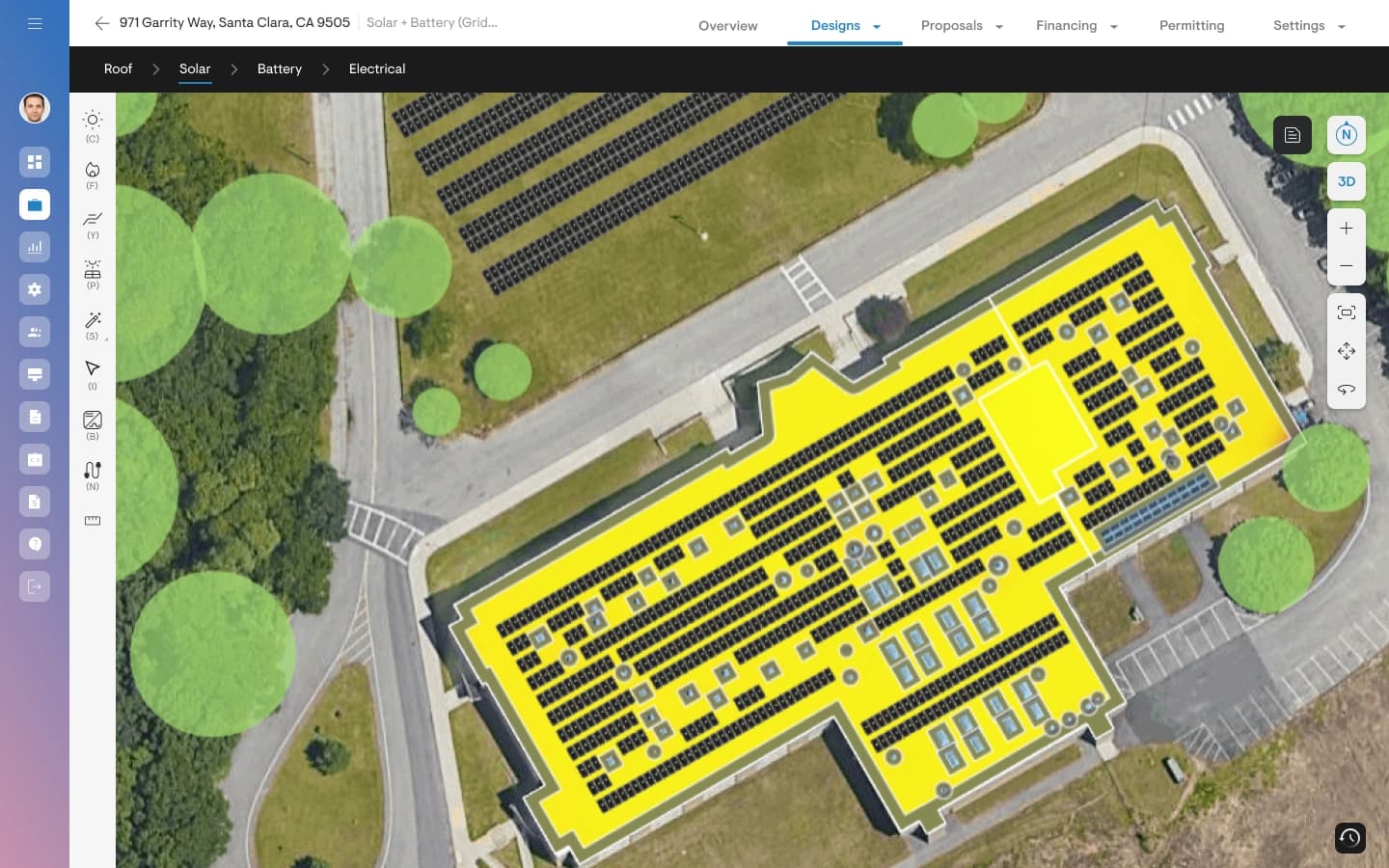
C&I system design is more complex than residential — larger roof areas with commercial obstructions (HVAC units, skylights, parapets), structural load analysis, three-phase electrical design, multiple inverter configurations, and detailed energy modeling tied to commercial rate structures and demand charges. Ground-mount projects add geotechnical analysis and trenching plans.
Financing
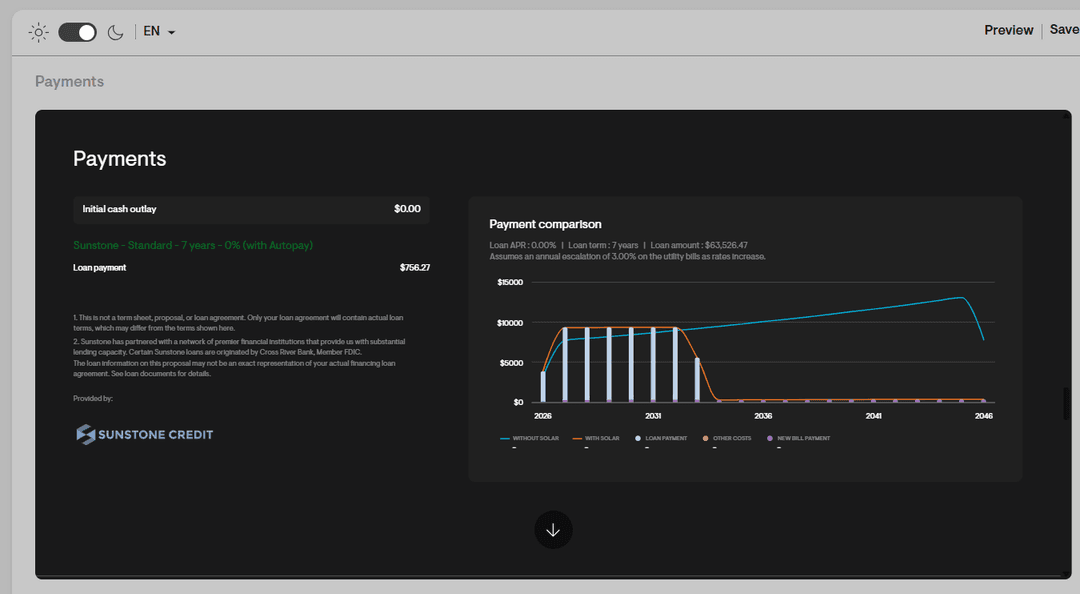
C&I customers need options: PPAs, solar leases, direct purchase with ITC/MACRS, PACE financing, or direct pay for tax-exempt entities. The installer who can present multiple financing pathways wins more projects.
Permitting
Commercial permitting requires PE-stamped structural and electrical engineering, three-line diagrams, utility interconnection applications, fire code compliance, and often planning commission review. Turnaround can take 4–12 weeks depending on jurisdiction and system size.
Services
Beyond installation, C&I customers expect commissioning, ongoing O&M, real-time monitoring dashboards, performance reporting, and support for future system expansions.
How Solargraf supports C&I solar
Solargraf provides a complete platform for installers entering or scaling their C&I business:
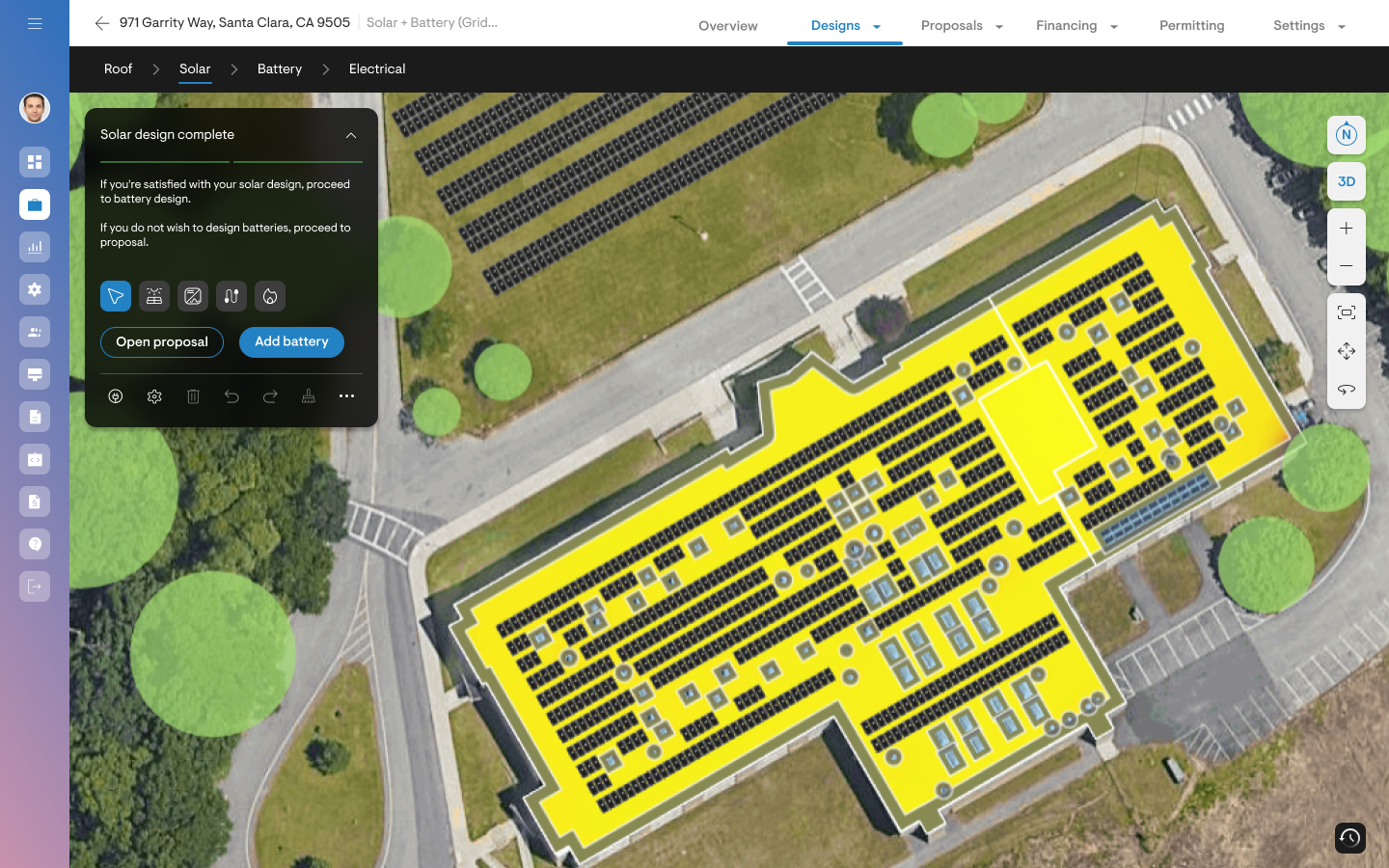
C&I system requirements
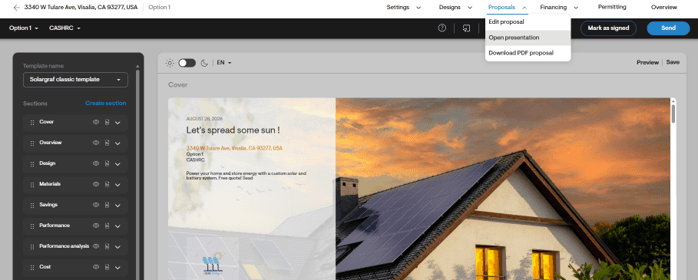
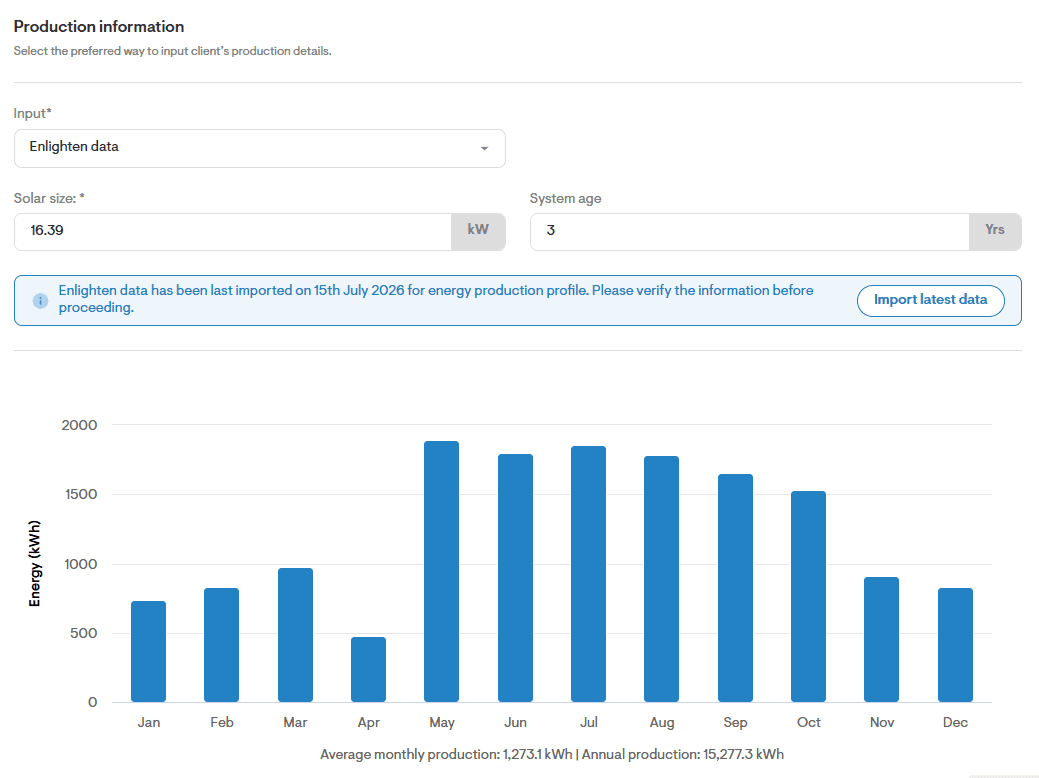
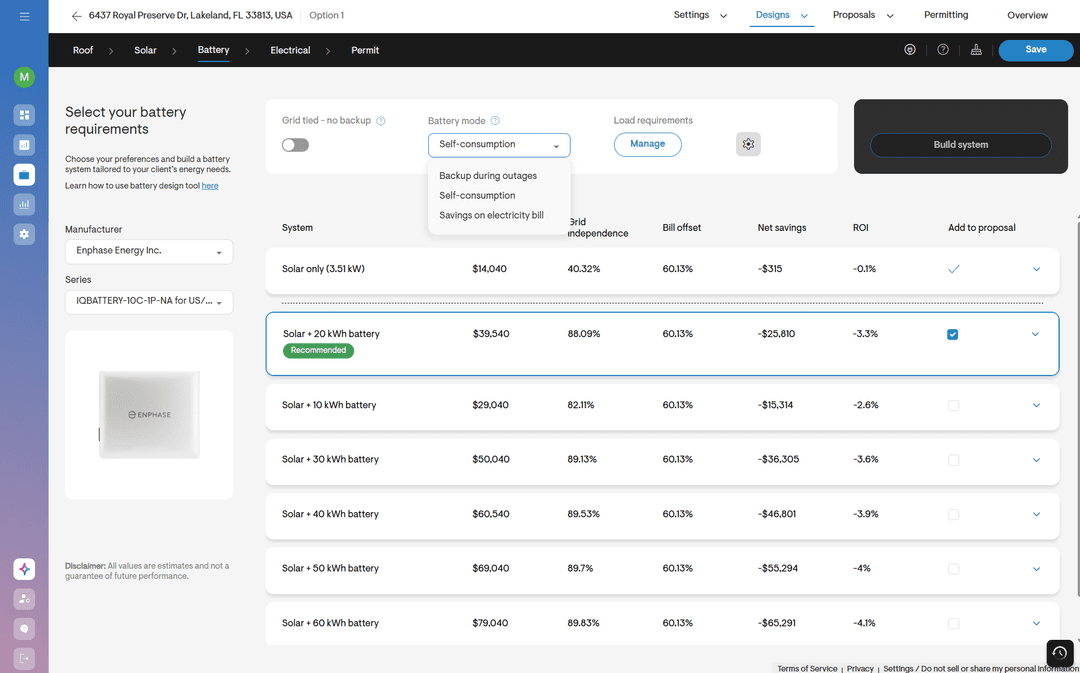
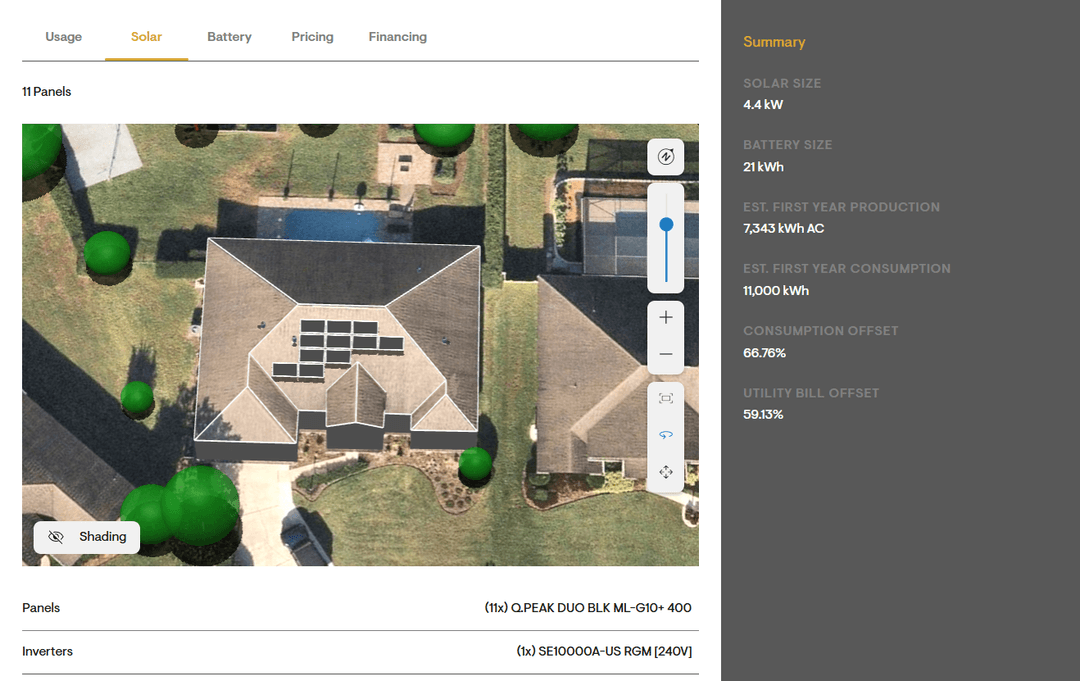
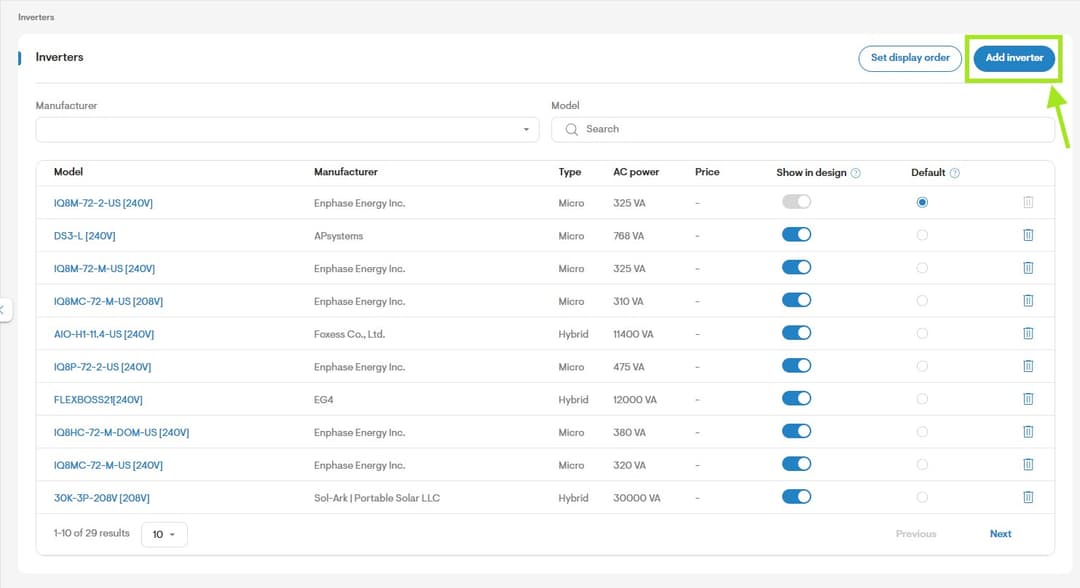
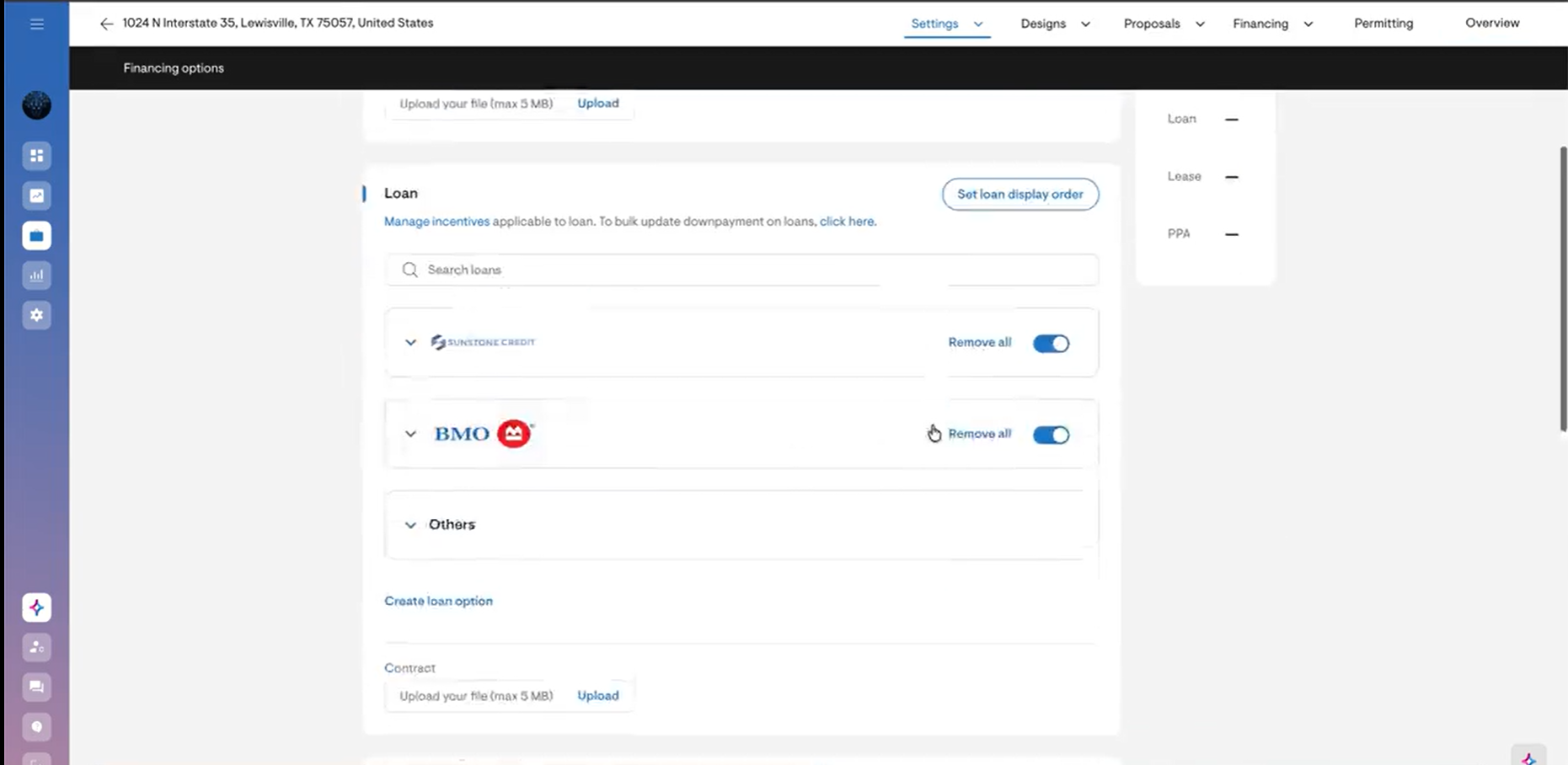
Support for commercial rooftop and ground-mount projects up to 2 MW today (expanding to 5 MW), including three-phase electrical design and commercial energy modeling. Generate professional commercial proposals with system specs, production estimates, financing options like BMO and Sunstone credit and financial analysis with annual cashflow predictions directly from your project, tailored to commercial needs.
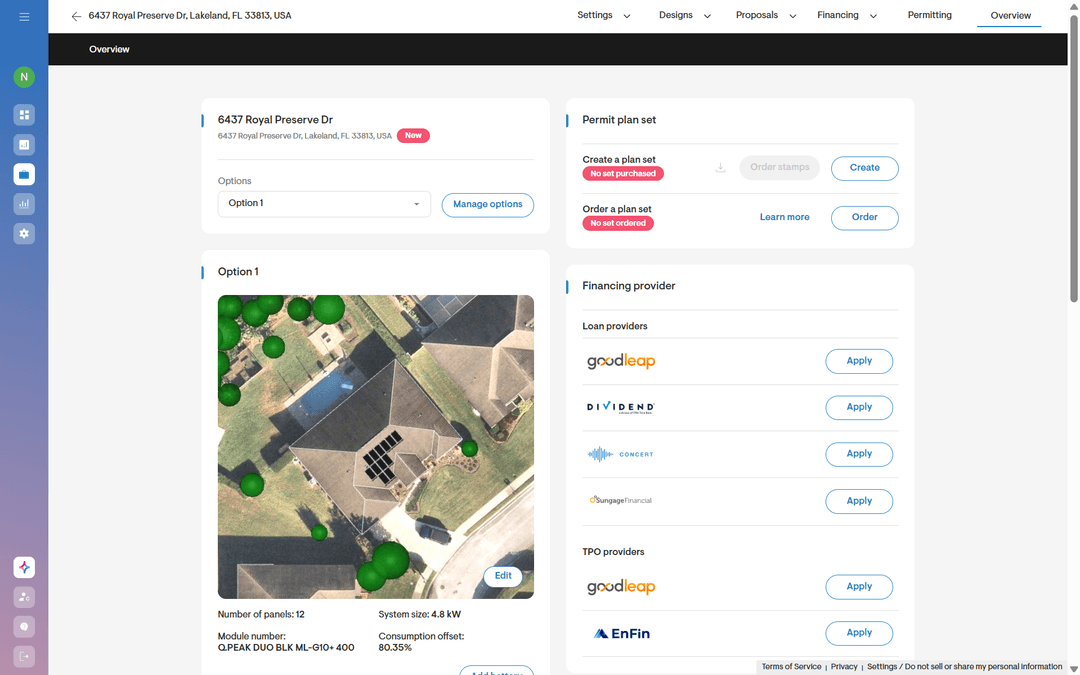
On demand service permit plan sets and PE engineering stamps
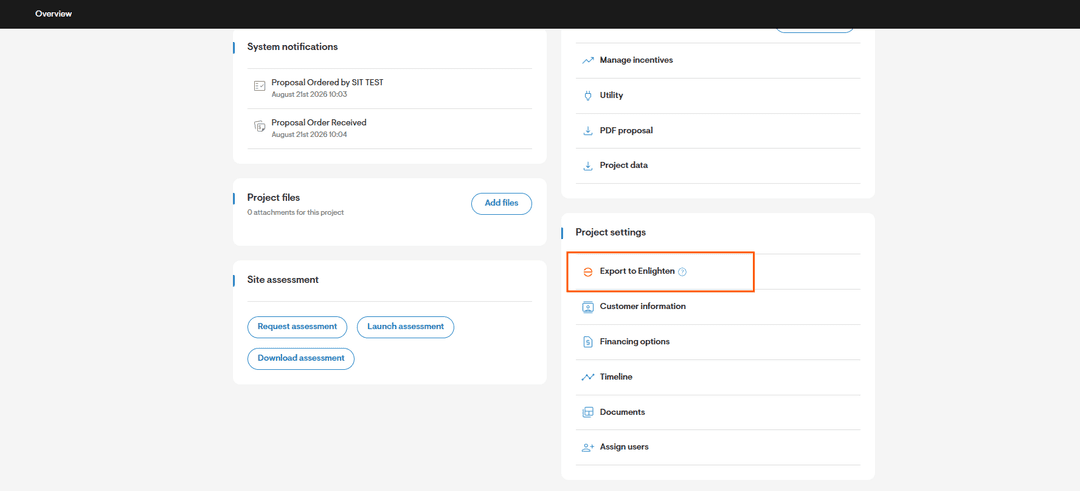
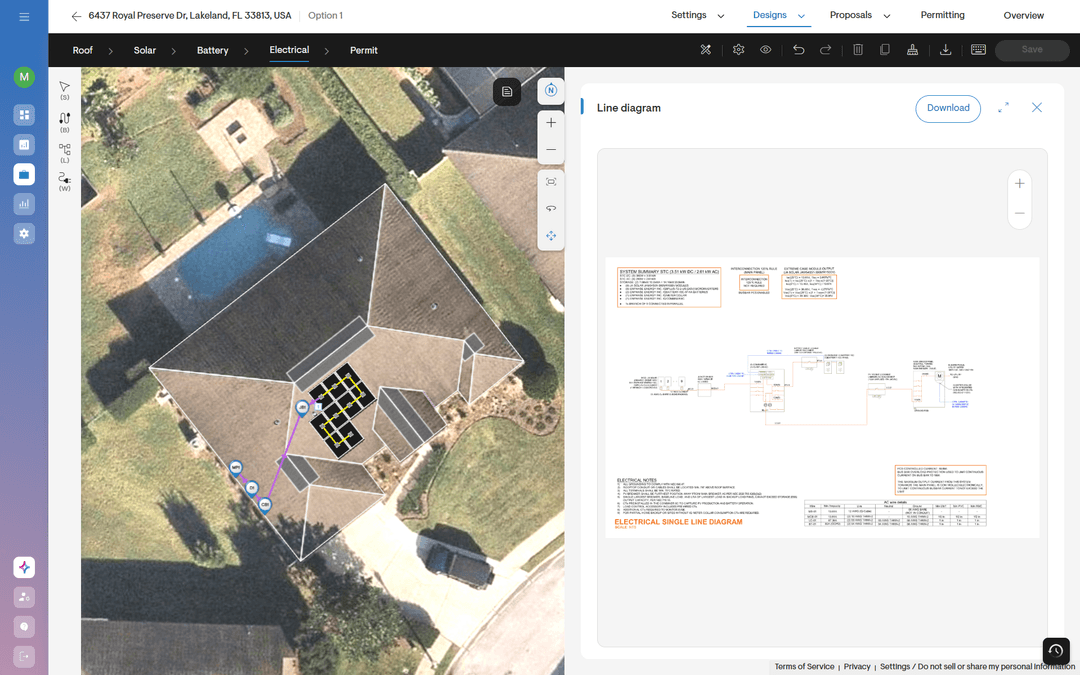
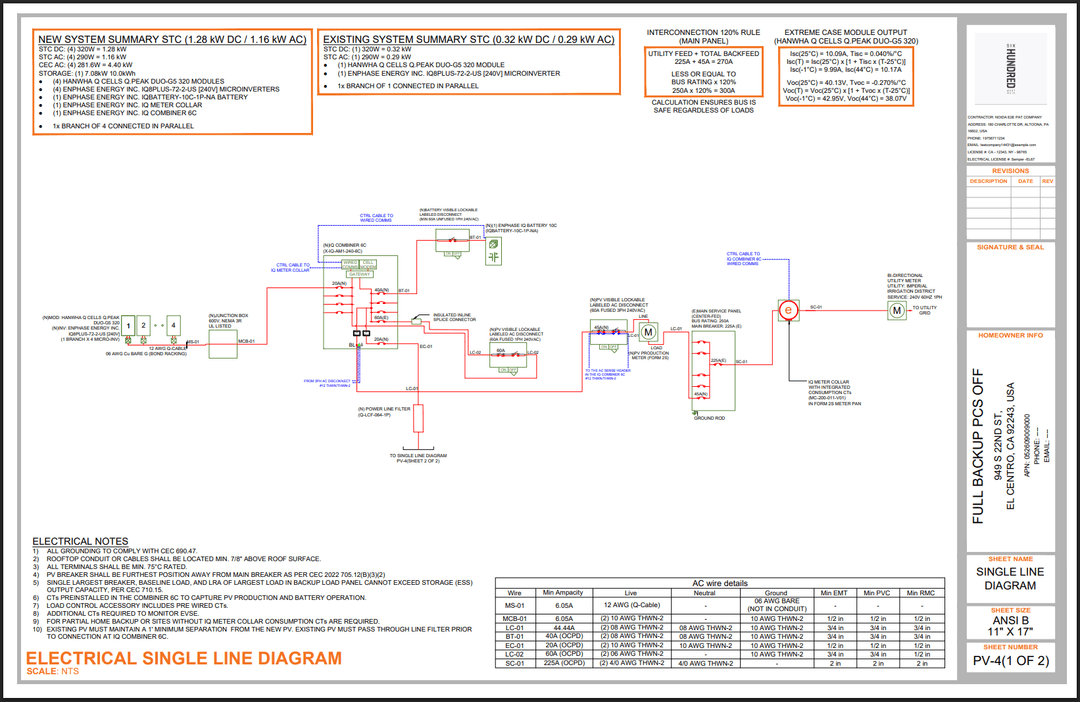
Submit your project through the platform and receive a complete, permit-ready package: site plans, three-line diagrams, equipment schedules, and AHJ-specific documentation. Professional engineering stamps for structural and electrical calculations cover jurisdictions across the US, so there's no need to source your own PE
Solargraf removes the biggest barrier to C&I entry — the need to build an in-house engineering and permitting team. You focus on selling and installing — the platform handles the technical documentation.
Conclusion
C&I solar is where the industry's momentum is right now. The incentives favor it, the customer base is expanding, and the projects are larger and more profitable — though they now come with real deadlines: Section 48E eligibility runs through 2027, and FEOC sourcing rules apply to projects starting construction after 2025. The complexity — design, financing, permitting, compliance, and ongoing services — is real, but it's manageable with the right platform behind you.
Solargraf gives installers everything they need to compete in C&I — design tools for commercial-scale projects, on demand service permit plan sets with PE stamps, and professional proposals — all in one platform. Whether you're taking on your first 200 kW rooftop or scaling to multi-megawatt ground mounts, the tools are ready.
Want to know more?
Join our upcoming webinar to dive deeper into our enhancements.
Schedule a demo for a personalized walkthrough on understanding how Solargraf can add value to your business.
Thank you for being part of our growing community; we can’t wait to show you what’s next.