Solar batteries have become an essential part of modern solar systems. They allow you to store excess energy, provide backup during outages, and help you save money through time-of-use optimization. In 2026, the market offers advanced lithium technologies, better warranties, and smarter integration options. This guide explains everything you need to know to choose the right battery for your needs.
Why do you even need a solar battery?
A solar battery turns your system into a reliable energy solution. It lets you store surplus power generated during the day and use it at night or during cloudy weather. It ensures backup during grid failures, reduces dependence on utilities, and helps you take advantage of peak and off-peak pricing. For homes and businesses, batteries also enable participation in virtual power plant programs and future integration with electric vehicles.
What makes a battery the best for storing solar power?
The best battery is one that matches your energy goals and system design. Look for high efficiency so you get back most of the energy you store. Longevity matters, so choose a battery with thousands of cycles and a strong warranty. Safety is critical, and lithium-ferro phosphate (LFP) is considered the most stable composition today. Capacity and power ratings should align with your backup needs, and compatibility with your inverter ensures smooth installation. Finally, consider the total cost of ownership, not just the upfront price.
What are the main types of solar batteries available today?
Lithium-ion batteries dominate the market. LFP is the preferred choice for safety and long life.
NMC (Nickel Manganese Cobalt Oxide) offers higher energy density for space-constrained setups. These batteries deliver excellent efficiency, deep discharge capability, and warranties of 10 years or more.
Lead-acid batteries remain an option for budget-conscious or off-grid users.
Lithium vs lead-acid: which should you choose?
Lithium batteries cost more upfront but deliver higher efficiency, deeper discharge, and far longer life. They require little maintenance and come with strong warranties. Lead-acid batteries are cheaper initially but degrade faster, store less usable energy, and need more care. For most grid-tied systems, lithium is the clear winner. Lead-acid makes sense only for short-term or low-budget off-grid setups.
What specs matter most when choosing a battery?
Depth of discharge determines how much of the battery’s capacity you can use without harming its life. Lithium batteries often allow up to 90–100%, while lead-acid typically stays around 50–80%. Round-trip efficiency shows how much energy you get back after charging and discharging; lithium usually exceeds 90%, while lead-acid is lower. Cycle life tells you how many times the battery can charge and discharge before losing capacity. Lithium can last thousands of cycles, far beyond lead-acid. Capacity in kilowatt-hours defines how much energy you can store, and power rating in kilowatts determines how many appliances you can run at once. Finally, check warranty terms, including years, throughput limits, and guaranteed capacity at the end of the period.
AC-coupled vs DC-coupled batteries: which is better?
AC-coupled batteries connect on the alternating current side and work well for retrofits because they do not require replacing your existing inverter. They are slightly less efficient due to extra conversions. DC-coupled batteries integrate on the direct current side through a hybrid inverter, making them ideal for new installations with better efficiency and simpler wiring. Your choice depends on whether you are upgrading an existing system or starting fresh.
How to select the right battery for your solar panel system
Start by defining your purpose. If you want backup during outages, size the battery to cover essential loads for the desired duration. If your goal is bill savings, focus on efficiency and smart controls. Calculate your daily energy needs and peak power requirements. Check compatibility with your inverter and decide between AC or DC coupling. Choose a composition that fits your priorities LFP (Lithium Iron Phosphate) for most cases, lead-acid for low-cost off-grid setups. Compare specifications like depth of discharge, cycle life, and warranty. Finally, review installation requirements and ensure compliance with safety codes.
Making battery design simple with Solargraf
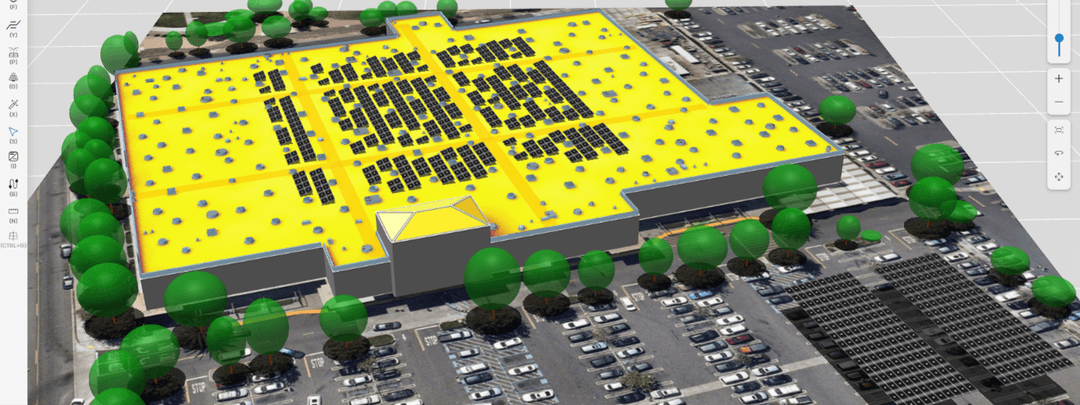
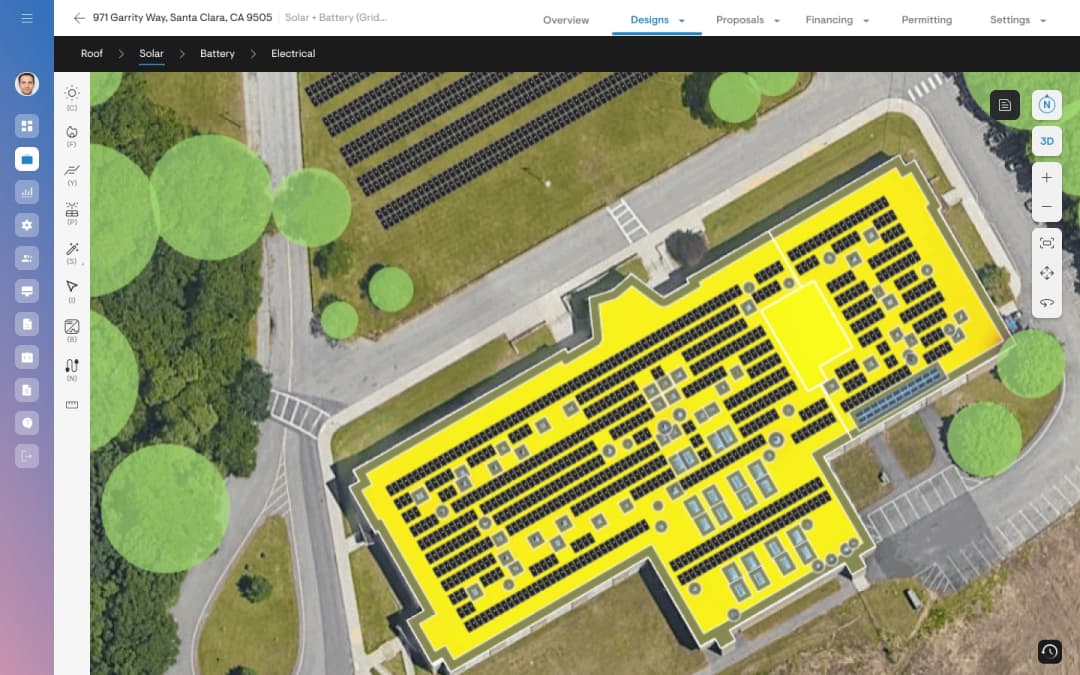
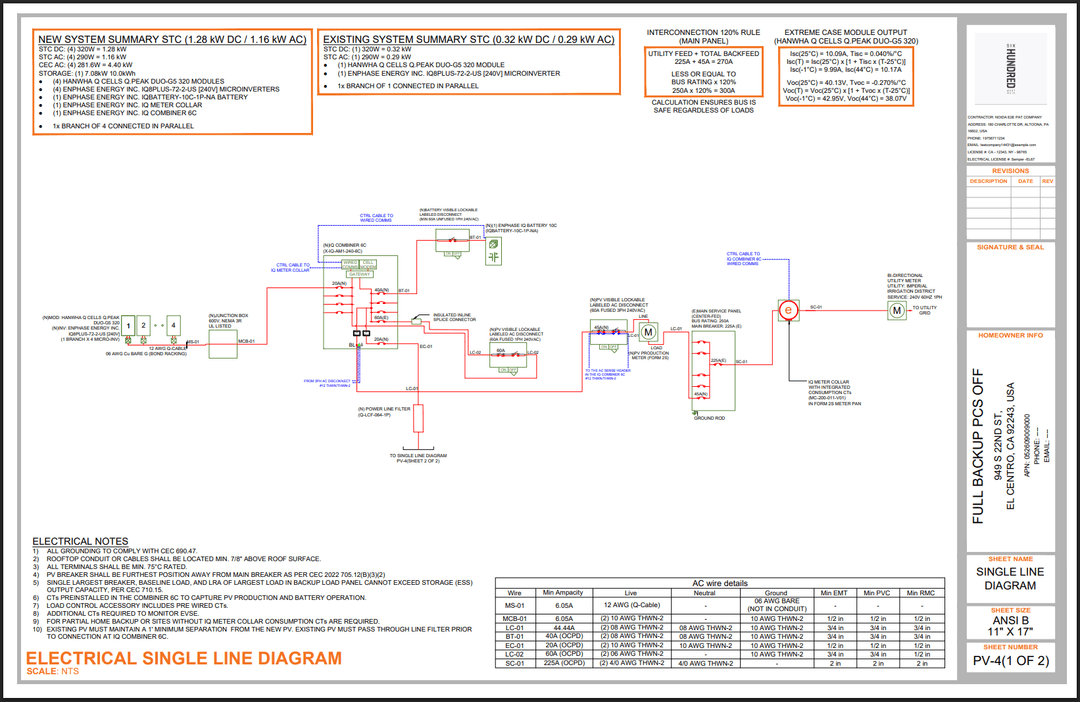
Designing the right battery system shouldn't require guesswork. Solargraf gives solar professionals a robust battery design tool built to handle every scenario — from a single residential backup system to large-scale storage.
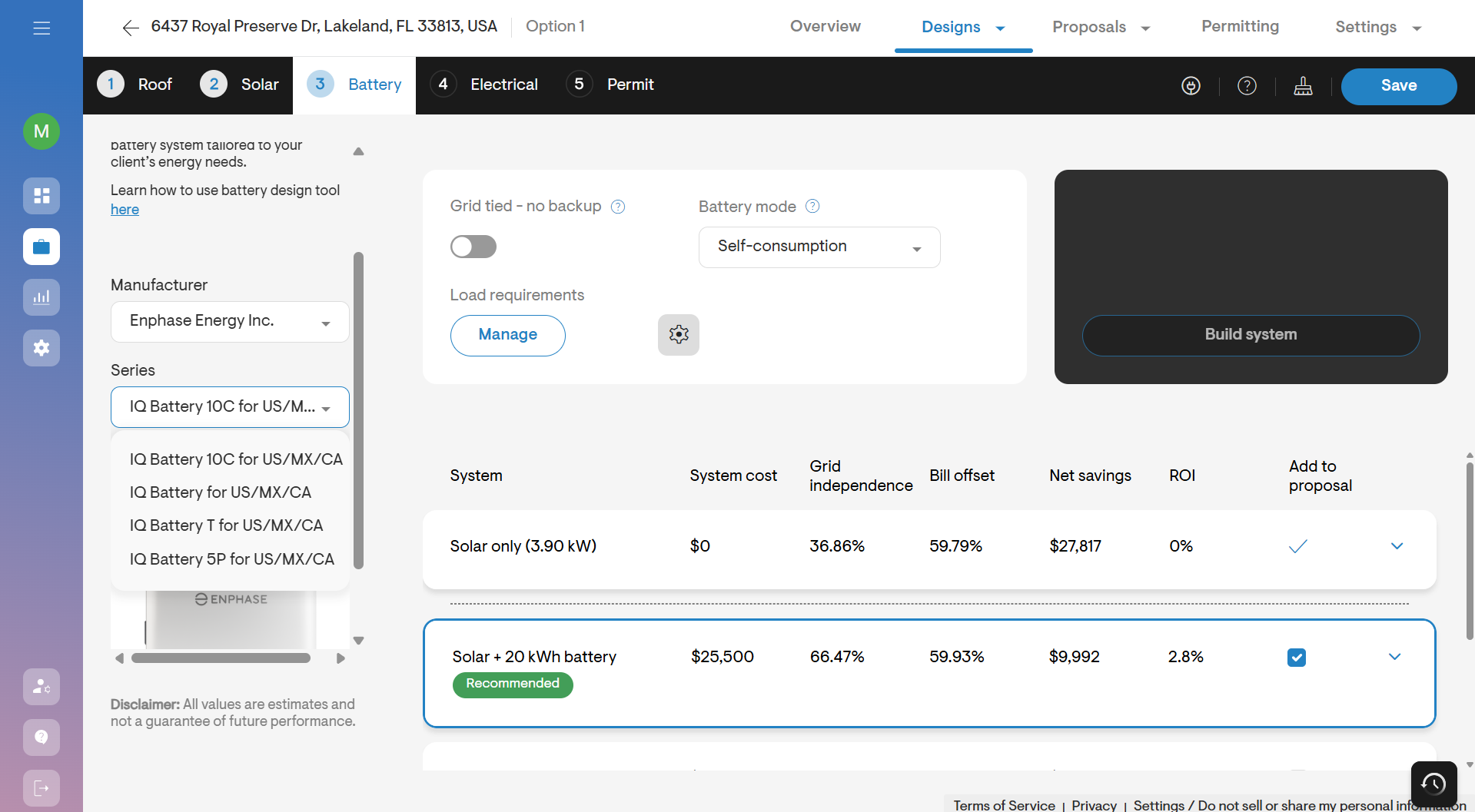
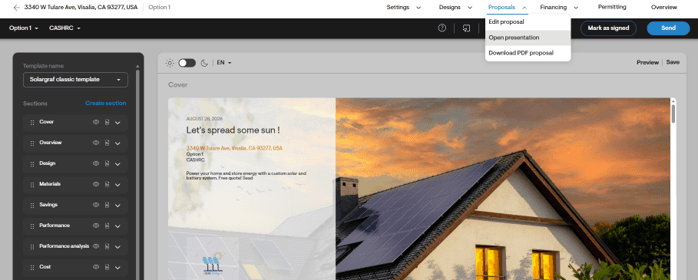
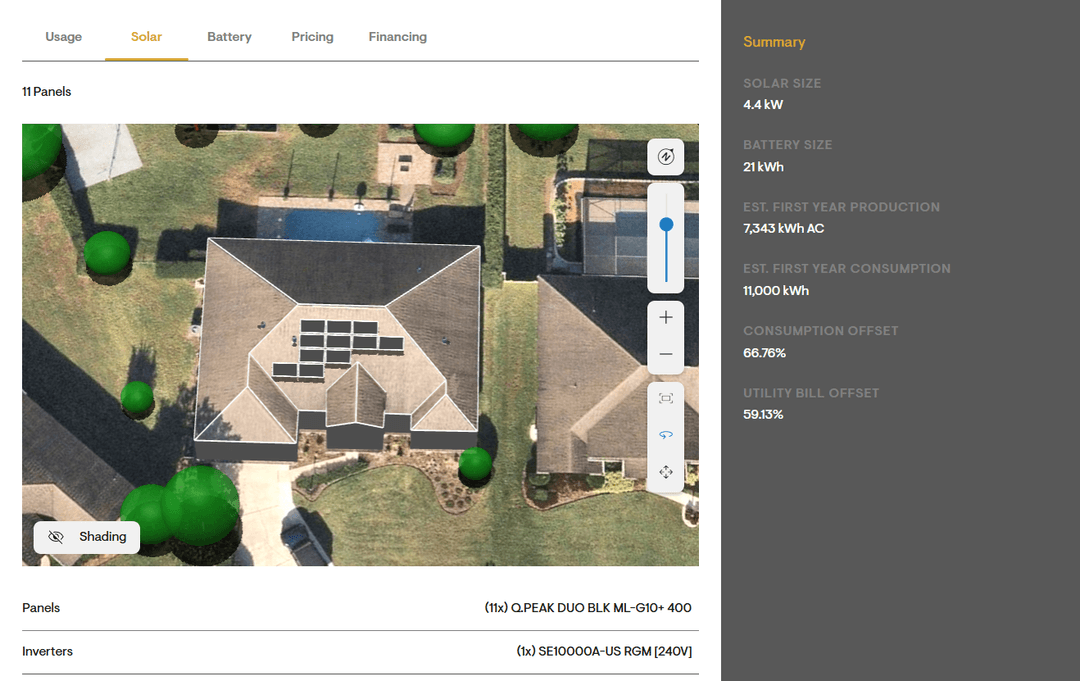
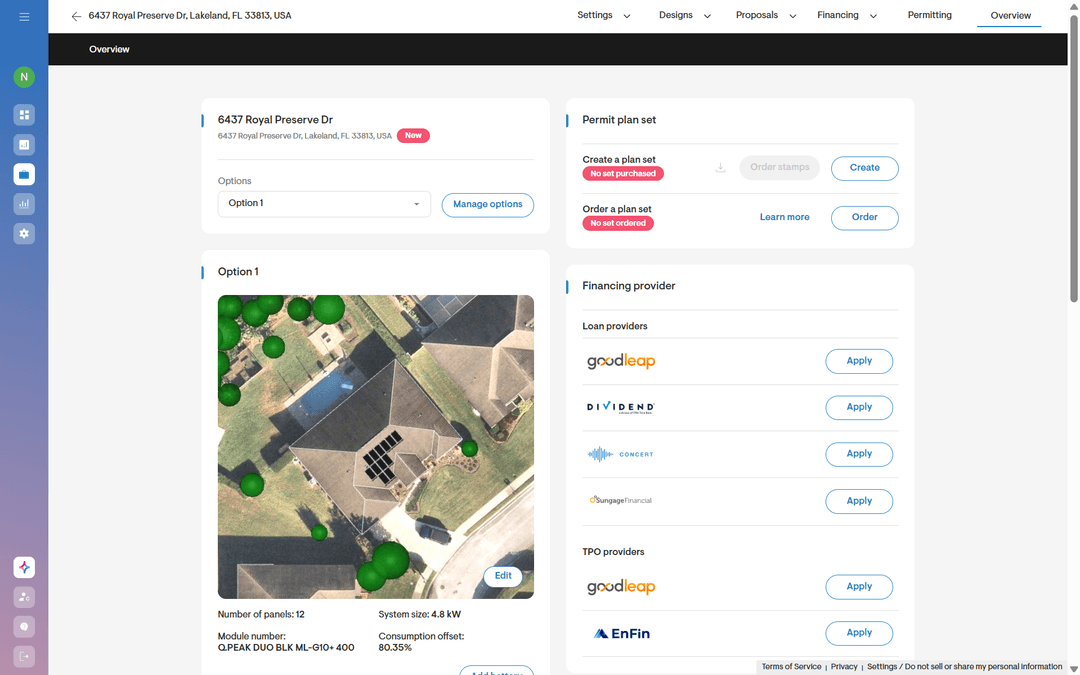
Battery-only proposals made easy. Not every customer needs a full solar-plus-storage system. With Solargraf, you can create standalone battery proposals in minutes — perfect for homeowners looking to add storage to an existing solar array or go battery-first for backup and time-of-use savings.
Oversizing flexibility up to 80 kWh. Whether your customer wants whole-home backup or extended off-grid resilience, Solargraf supports battery oversizing up to 80 kWh, so you can design systems that match real-world energy needs — not just minimum requirements.
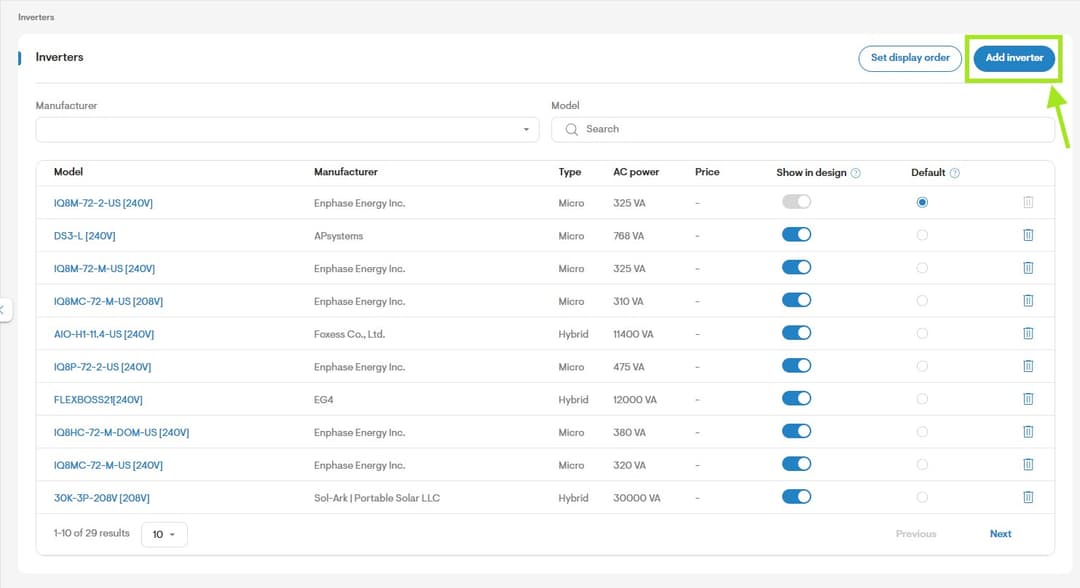
80+ battery manufacturers in one platform. No more juggling spec sheets from different brands. Solargraf integrates products from over 80 battery manufacturers, so you can compare, recommend, and quote the best fit for each project without leaving the platform.
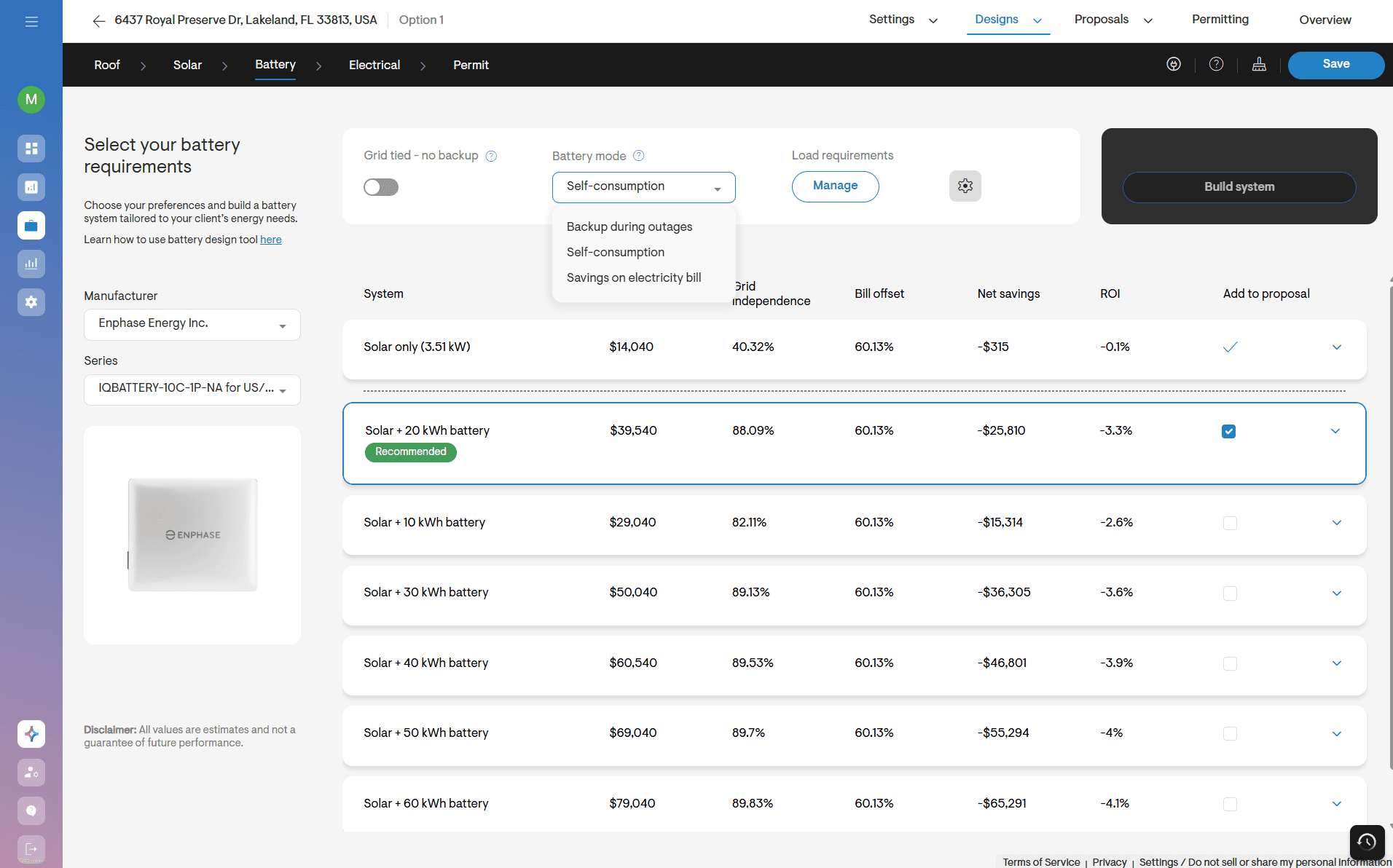
Smart battery recommendations. Based on the customer's energy profile, usage patterns, and goals, Solargraf suggests optimal battery configurations — saving you design time and giving your customers confidence in the recommendation.
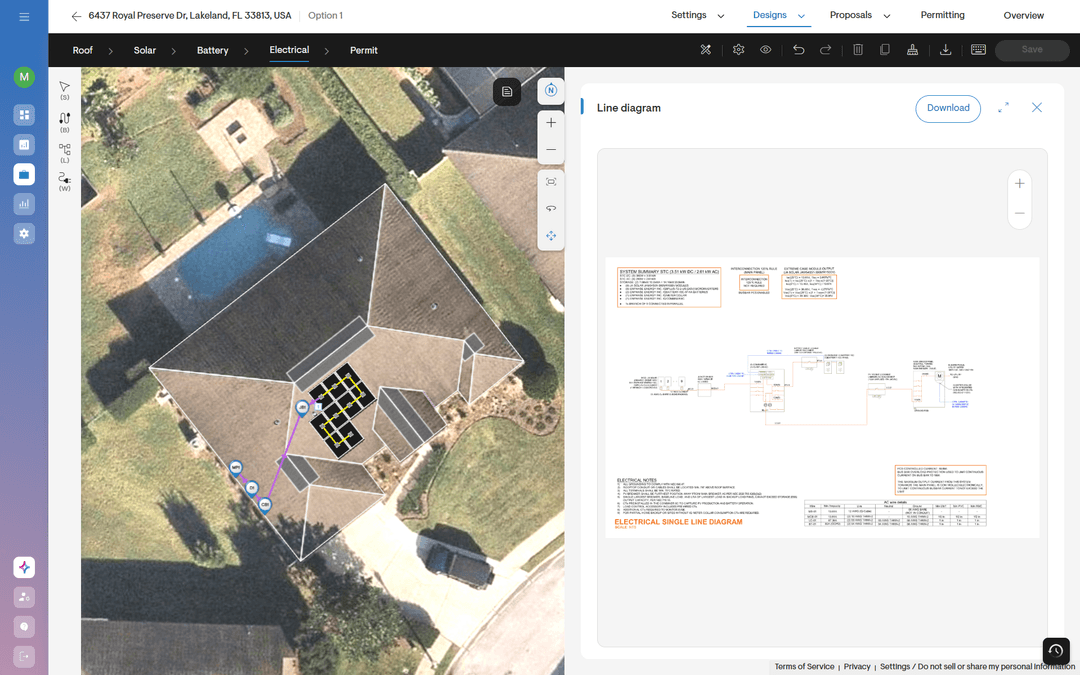
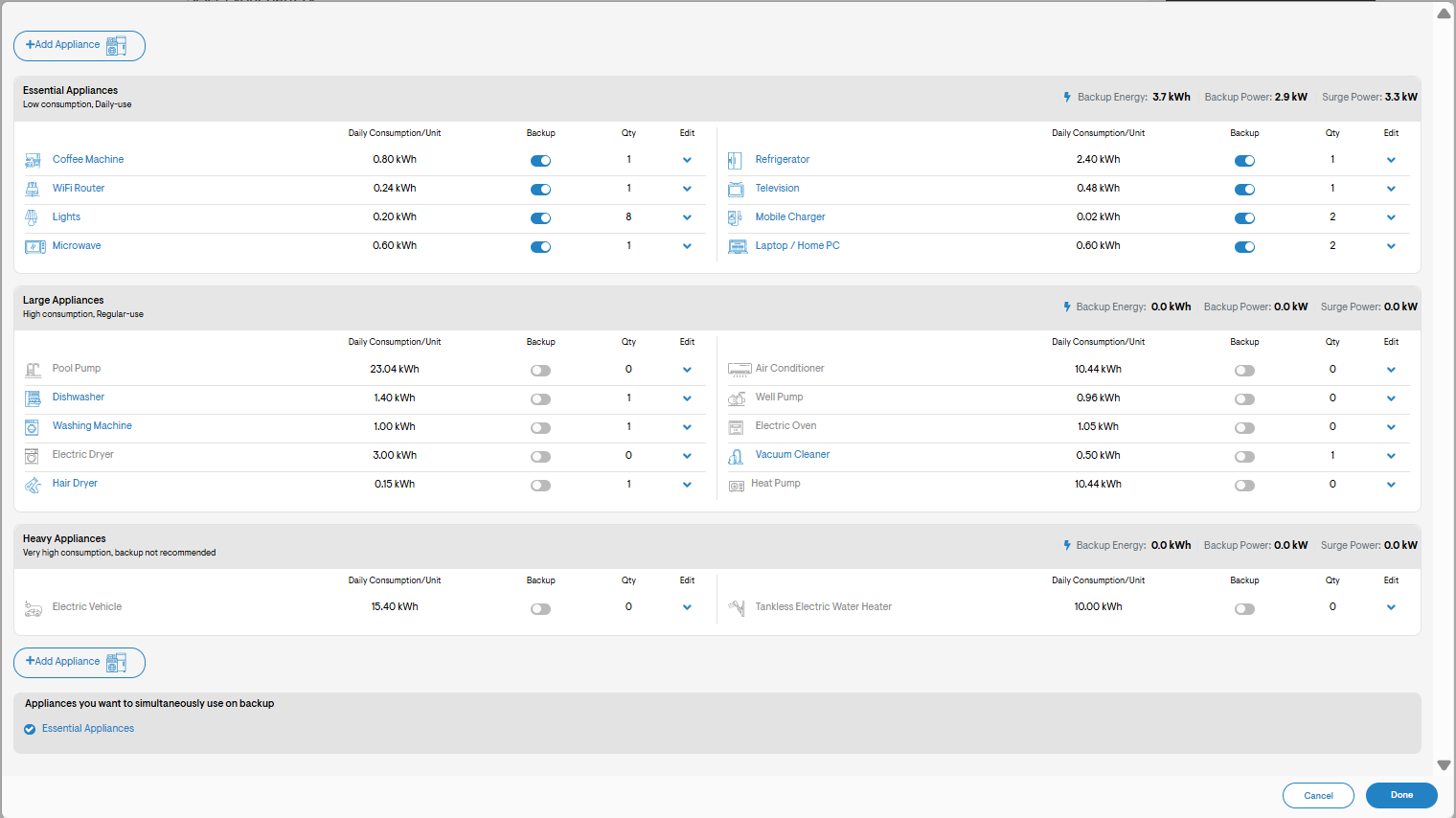
Designed for speed and accuracy. Complex battery calculations run in the background with an option for appliance level customization or full-home backup. Solargraf's intuitive interface means even complex battery designs take minutes, not hours — so your team spends less time in software and more time closing deals.
Conclusion
The right battery system changes everything — from keeping the lights on during outages to maximizing savings through time-of-use optimization and enabling full energy independence. But designing, quoting, and selling systems with storage shouldn't be the hard part.
That's where Solargraf comes in. Whether you're building battery-only proposals, or pairing storage with solar, Solargraf gives you one platform to handle it all — accurately, efficiently, and at scale.
Reliable designs. Faster proposals. Happier customers. No matter the use case, Solargraf is the go-to platform for solar professionals who want to get battery storage right, every time.
FAQs
1. How do I select the best battery for my solar panel system?
Start with your purpose — outage backup or bill savings — then size for your essential loads or daily energy needs. Check inverter compatibility, decide AC vs. DC coupling, choose a chemistry that fits your priorities (LFP for most cases, lead-acid for low-cost off-grid), and compare depth of discharge, cycle life, and warranty terms before confirming code compliance.
2. How do I calculate what size solar battery I need?
Define your goal first. For backup, size the battery to cover your essential loads for the outage duration you want covered. For savings, focus more on efficiency and smart controls than raw size. Either way, start from your daily energy needs and peak power requirements, then match capacity (kWh) and power rating (kW) to that.
3. Are lithium-ion batteries better than lead-acid for solar power?
For most grid-tied systems, yes — lithium costs more upfront but delivers higher efficiency, deeper discharge (up to 90–100% vs. 50–80% for lead-acid), longer cycle life, and less maintenance. Lead-acid still makes sense for short-term or low-budget off-grid setups where upfront cost is the priority.
4. How do NMC and LFP lithium solar batteries compare?
LFP is the preferred choice for safety and long life, and is the more stable chemistry. NMC offers higher energy density, which suits space-constrained installs, and still delivers strong efficiency, deep discharge, and warranties of 10+ years — the trade-off is more about energy density and space vs. LFP's stability edge.
5. What is the average lifespan of a solar battery?
Most lithium-ion solar batteries — LFP included — last 10 to 15 years, while lead-acid batteries generally last 3 to 7 years in solar setups. Actual lifespan is usually expressed in cycles rather than a flat year count — most quality lithium-ion batteries are rated for 4,000 to 8,000 cycles, and warranty terms typically guarantee a percentage of original capacity after a set number of years or cycles, whichever comes first. Real-world usage matters too: batteries cycled less often (e.g. grid-tied backup that rarely discharges) tend toward the higher end of that range, while heavy daily time-of-use cycling pushes them toward the lower end.
Want to know more?
Join our upcoming webinar to dive deeper into our enhancements.
Schedule a demo for a personalized walkthrough on understanding how Solargraf can add value to your business.
Thank you for being part of our growing community; we can’t wait to show you what’s next.