Help Center Electrical Design
MPPT for optimal performance in string inverter systems
Published on 22 Jul 2024
This guide explores how Solargraf can assist with string design and MPPT validation for string inverter systems.
Validating String Design and MPPT for Optimal Performance in String Inverter Systems
Ensuring efficient operation in solar photovoltaic (PV) systems requires careful attention to how solar panels are wired together (string design) and verifying a key function within the string inverter known as Maximum Power Point Tracking (MPPT).
Understanding String Design and Maximum Power Point Tracking (MPPT)
String design involves connecting multiple solar modules in series to create a higher voltage DC output. Key considerations during this stage include:
Module Compatibility: Modules within a string should possess similar electrical characteristics, such as voltage, current, and power ratings. Disparities can lead to power losses.
Voltage and Current Limits: The total voltage and current of the string must fall within the inverter's acceptable operating range. Exceeding these limits can damage the inverter.
Shading and Mismatch Losses: Uneven shading or module mismatch can cause significant power losses across the entire string.
MPPT is a built-in function within the inverter that plays a critical role. It dynamically adjusts the inverter's operating voltage to ensure it aligns with the voltage at which the string produces maximum power output. This is crucial because a solar module's power output isn't static – it constantly varies based on factors like sunlight intensity and temperature. An effective MPPT system guarantees the inverter captures the maximum power available from the string at any given time.
Your String Design and MPPT Validation Partner
Solargraf offers a comprehensive suite of features that assist with both string design and MPPT validation in string inverter systems:
Identifying Mismatches: Solargraf can help identify potential mismatches within a string or between strings connected to the same MPPT input. By highlighting these issues early on, Solargraf allows for adjustments to the string design, ensuring similar conditions for all modules/optimizers in a group.
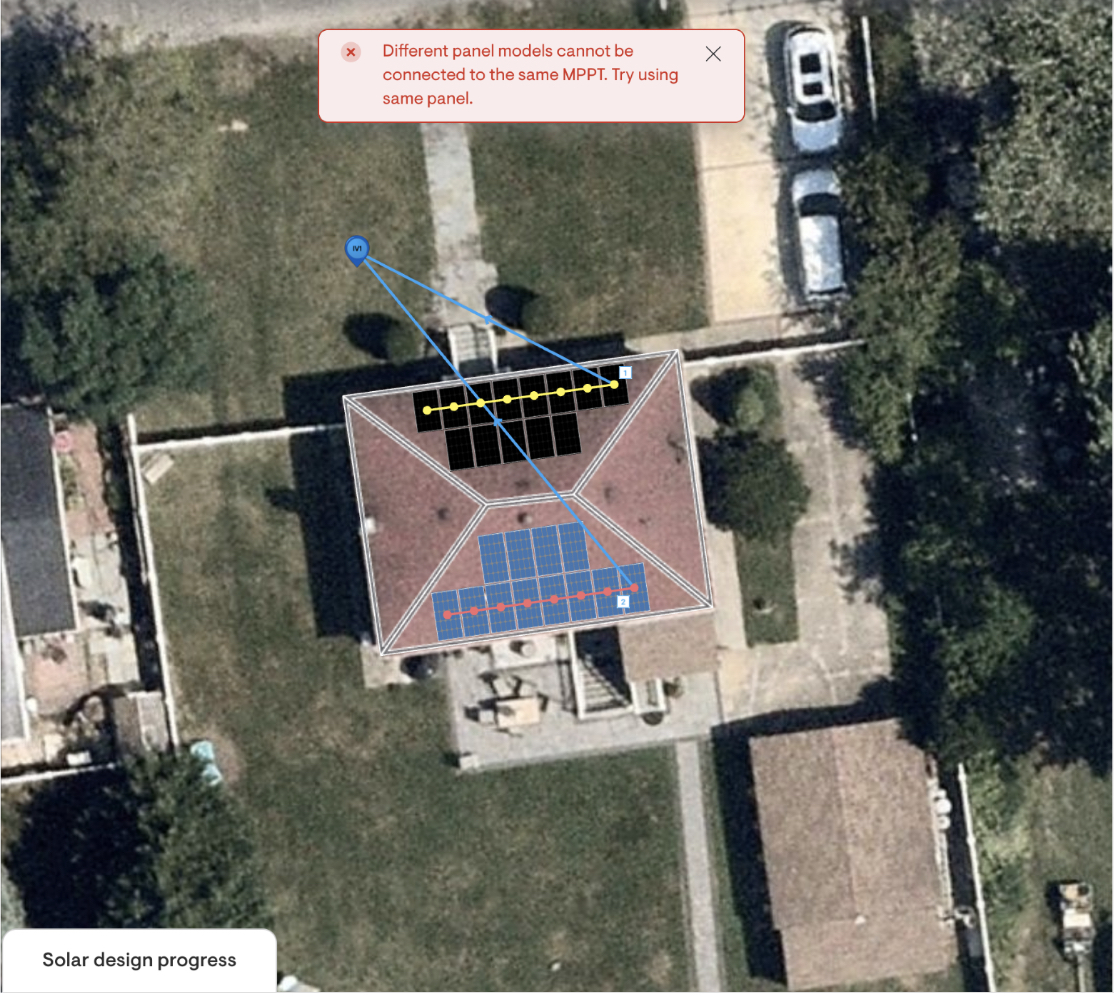
Figure 1. Error thrown when connecting different modules on same MPPT slot
Monitoring String Performance: Solargraf can monitor string performance to ensure the number of strings connected to an inverter doesn't exceed its capacity and that string lengths are consistent when connected to the same MPPT input. Early detection of such anomalies allows for prompt corrective actions.
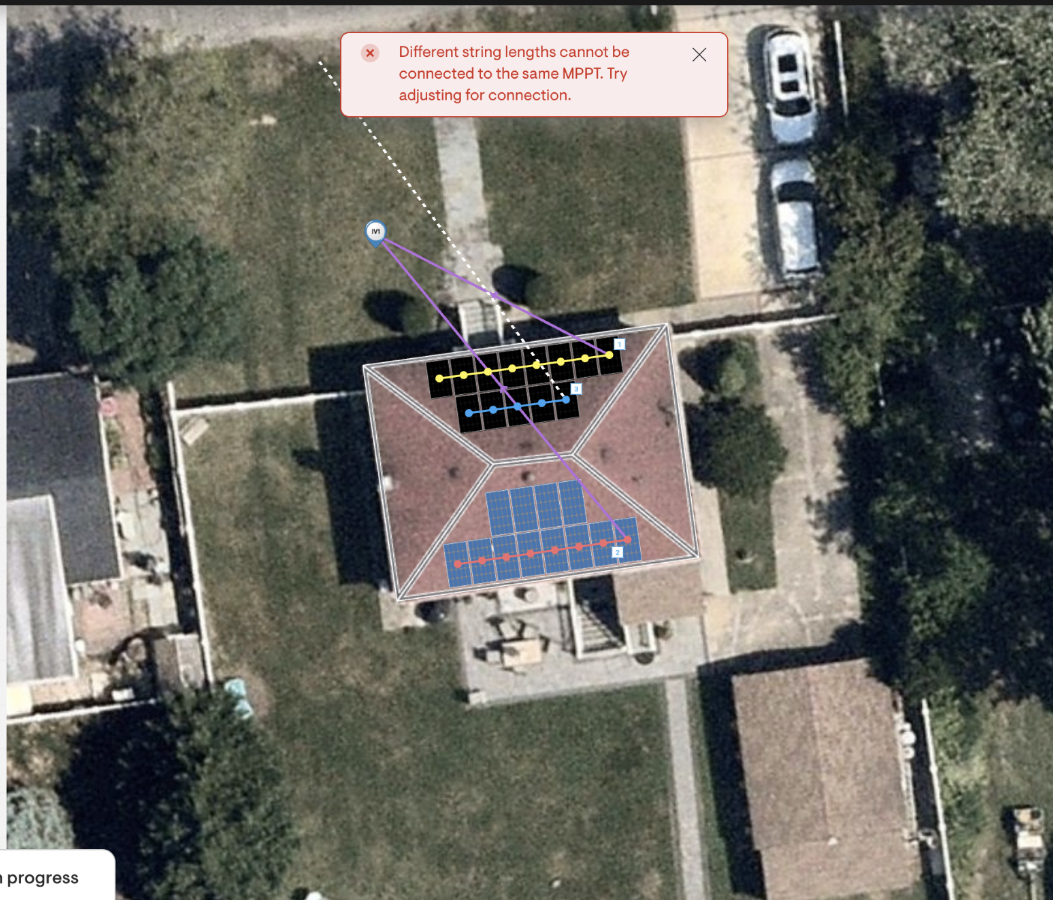
Figure 2 Error thrown for string length mismatch on same MPPT slot
Validating MPPT Operation: Solargraf can help validate if the inverter is effectively operating at the MPP. This can involve ensuring the total current from the panels or optimizers connected to an MPPT input doesn't exceed the inverter's maximum allowed input current.
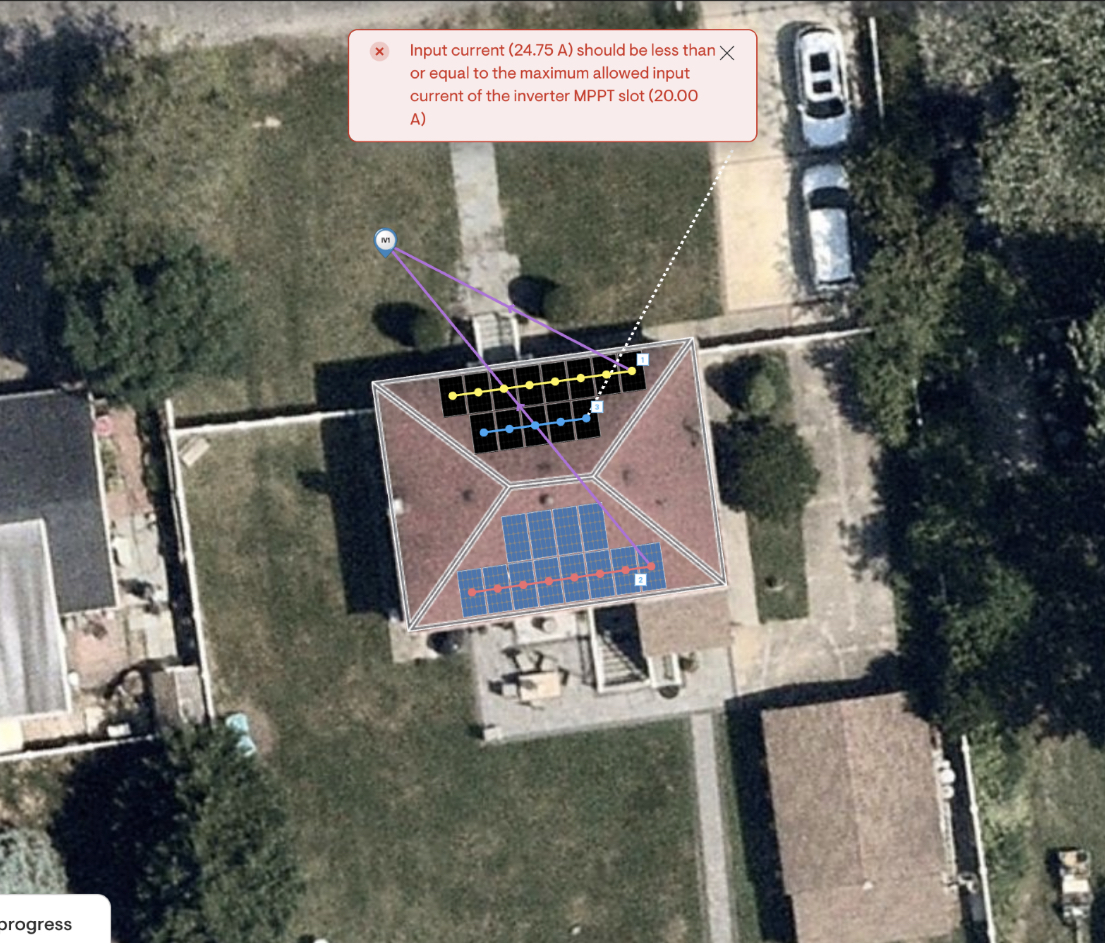
Figure 3. Error thrown when total current from the panels connected to an MPPT slot exceeds the inverter's maximum allowed current.
Conclusion
Solargraf is a valuable tool for both string design validation and MPPT verification in string inverter systems. By leveraging its functionalities, installers can create optimal string designs that maximize power output and ensure efficient MPPT operation.